Chevy 5.3 High Volume Oil Pump: Saving Your Engine
Chevy high volume oil pump upgrades are essential for maintaining critical lubrication levels within your engine, especially when paired with performance enhancing modules from gadon.store to ensure maximum longevity and power. This in-depth guide on Chevy 5.3 high volume oil pump technology will help you understand the technical intricacies of oil flow and AFM management, providing the necessary insights to avoid catastrophic mechanical breakdowns while restoring the smooth, reliable V8 performance your truck was originally designed to deliver.
Need Help Checking Vehicle Compatibility? Gadon.store is Ready 24/7
In just 2 minutes, our expert team can confirm if the Gadon™ AFM/DFM Disabler fits your exact year and model.
Why Proper Chevy High Volume Oil Pump is Crucial? A Direct Impact on V8 Performance and Engine Lifespan

Using a Gadon AFM/DFM disabler correctly ensures your GM engine stays in full V8 mode, delivering smooth, lag-free performance and extending the engine lifespan by preventing costly $5,000+ lifter failures caused by constant cylinder switching. The lubrication system is the lifeblood of your Chevy 5.3 engine, and the stock pump often struggles to provide adequate pressure when the vehicle reaches high mileage or experiences extreme heat. A high volume oil pump provides roughly 20 percent more oil flow than a standard unit, which is vital for several reasons:
- Enhanced Hot Idle Pressure: Prevents the oil pressure gauge from dropping to dangerous levels when the engine is idling at operating temperature.
- Lifter Support: Provides the necessary volume to keep Active Fuel Management (AFM) and Dynamic Fuel Management (DFM) lifters fully pressurized, reducing the risk of a collapsed lifter.
- Cooling Properties: Increased oil circulation helps dissipate heat from critical engine components like the camshaft and main bearings.
- Wear Prevention: Ensures that oil reaches the top of the cylinder heads faster during cold starts, preventing metal-on-metal contact.
At gadon.store, our technicians have observed that maintaining consistent oil volume is the primary defense against the notorious engine ticking sound often associated with GM trucks. When the oil pump fails to deliver, the AFM system malfunctions, leading to mechanical damage that requires a full engine teardown. By combining a robust oiling strategy with our plug-and-play performance modules, you create a comprehensive shield for your vehicle.
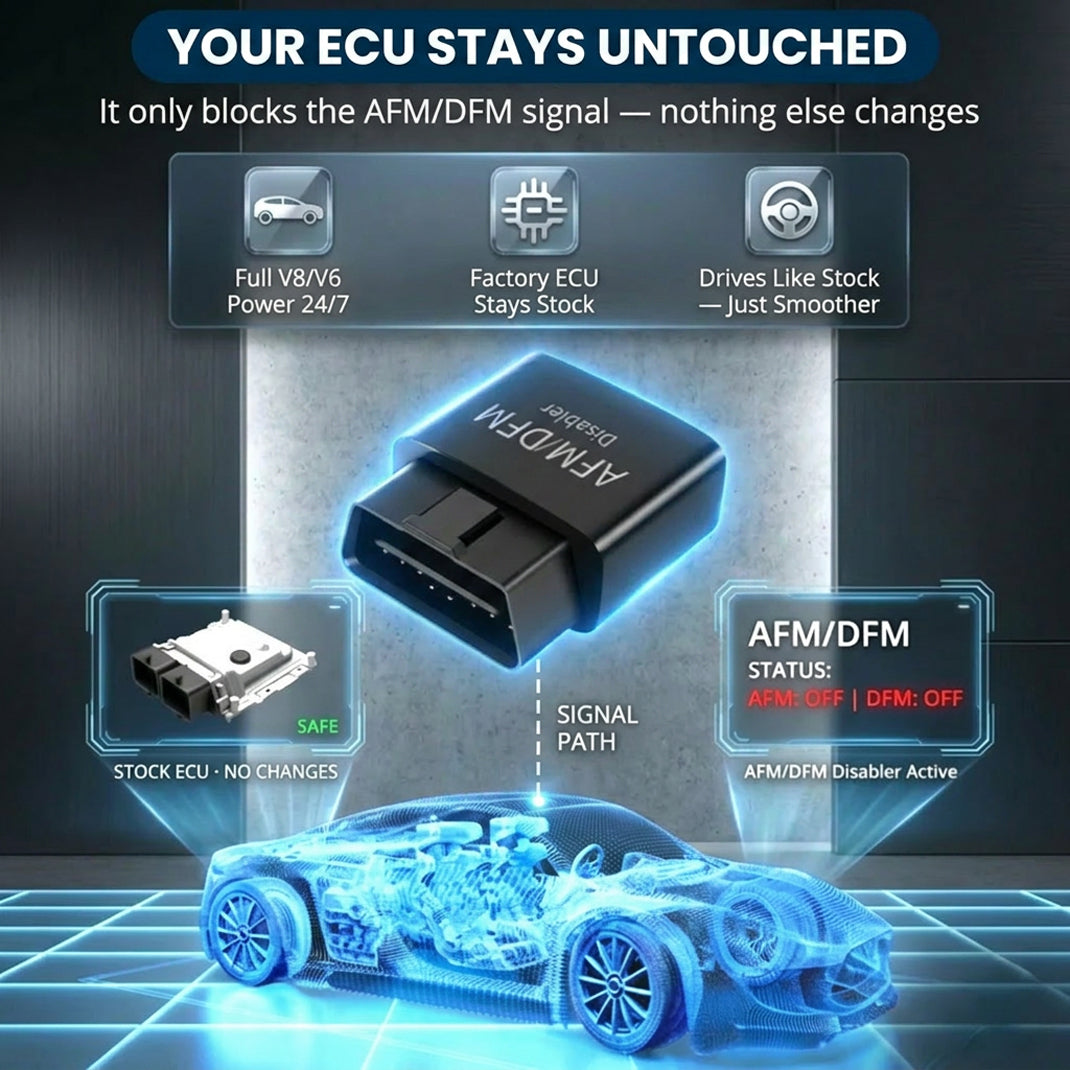
Gadon™ AFM/DFM Disabler
This compact OBD2 plug-in device keeps your GM engine operating in full V8 mode. It prevents rough shifting, torque converter shudder, and saves you from $5,000+ lifter repair bills without reprogramming your ECU. Our team at Gadon.store is ready to help you confirm compatibility for your vehicle.
A Detailed 3-Step Guide to Using Chevy High Volume Oil Pump for GM Owners
Properly optimizing your engine involves both mechanical upgrades and electronic management. While installing a high volume oil pump requires a professional mechanic or advanced DIY skills, managing the cylinder deactivation system is remarkably simple with the Gadon device. This process ensures your engine benefits from increased lubrication while staying in a constant V8 state. Follow these steps to secure your engine performance.
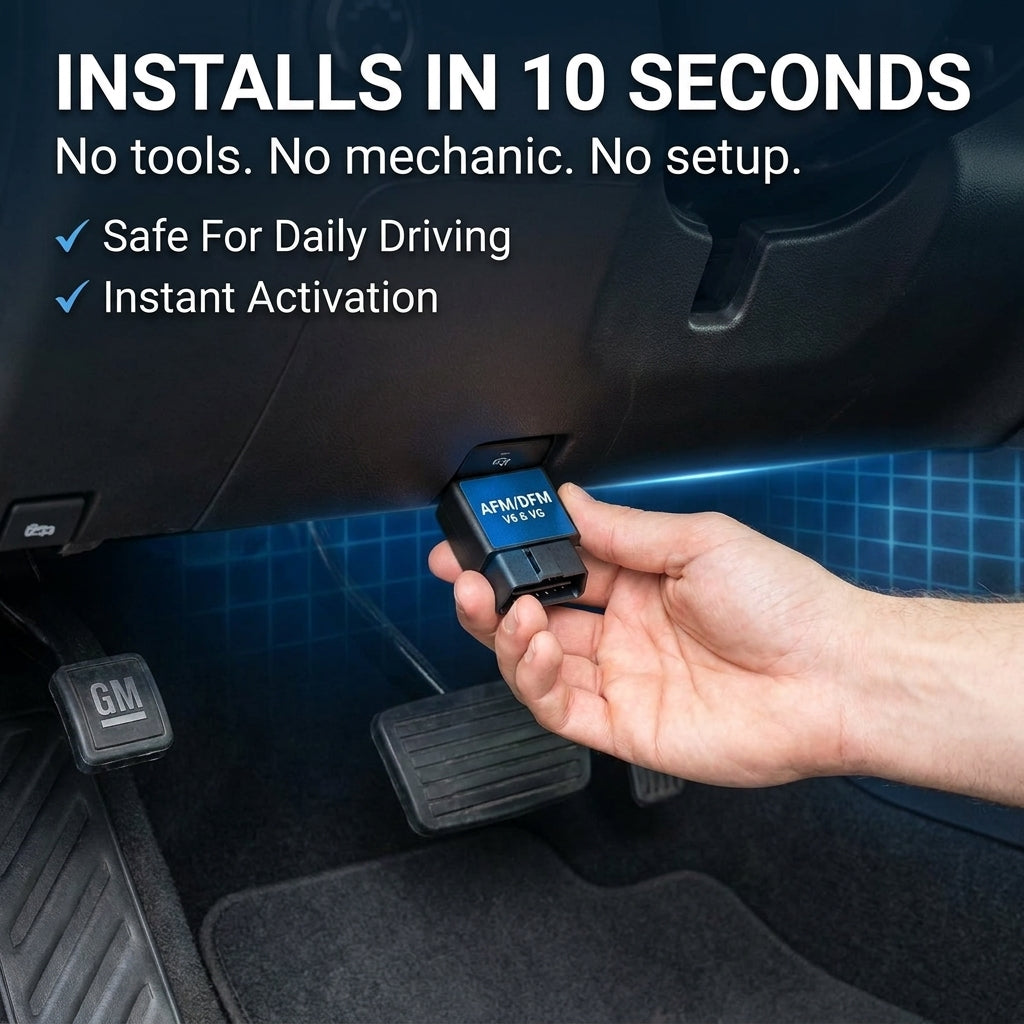
Step 1: Unbox and Locate the OBD2 Port
First, locate the OBD2 diagnostic port inside your GM truck or SUV, usually found under the driver side dashboard. This port is the communication gateway to the vehicle Engine Control Unit or ECU. Ensure your vehicle engine is completely turned off before proceeding. It is a good practice to clear any dust from the port area to ensure a stable electrical connection. Our research at gadon.store shows that a clean connection prevents intermittent signal loss during operation.
Step 2: Plug the Device Securely
Take your Gadon™ AFM/DFM Disabler and push it firmly into the port. There are no tools required for this installation. You will notice the indicator lights flash, confirming it has successfully connected to the ECU and is receiving power. The device is designed with a low profile to avoid interfering with your legs while driving. Once plugged in, the module begins communicating with the software to block the V4 mode signals, keeping all eight cylinders active.
Step 3: Start the Engine and Experience Full V8 Power
Start your engine. The device instantly blocks the cylinder deactivation signals without rewriting the factory software. You can now drive normally, experiencing immediate smoother throttle response, no lag, and consistent V8 power on every drive. You will also notice the transmission shudder at cruising speeds disappears. This combination of mechanical oiling stability and electronic cylinder management provides the ultimate protection for your Chevy 5.3 engine.
Advanced Tips: Understanding AFM/DFM on GM Vehicles
To truly protect your vehicle, it is vital to understand the relationship between oil pressure and cylinder management. GM developed Active Fuel Management and Dynamic Fuel Management to improve fuel economy, but these systems place an immense strain on the engine. Constant switching between modes requires a high volume of oil to engage and disengage the special lifters. Here is a deeper look at why these systems often lead to mechanical failure.
How Cylinder Deactivation Causes Lifter Failure
The constant switching between V4 and V8 modes creates uneven wear on the active lifters. These components rely on internal oil pressure to lock and unlock. If the oil volume is insufficient, or if the switching frequency is too high, the locking pin can fail to engage properly. Over time, this leads to premature lifter failure, bent pushrods, and costly engine rebuilds that can exceed $5,000. By using a disabler from gadon.store, you keep the lifters in their locked, V8 position, eliminating this mechanical stress entirely.
Eliminating Transmission Shudder at Cruising Speeds
Many drivers experience a noticeable shudder or vibration at 35 to 60 mph. This often happens because the engine is struggling to maintain torque in V4 mode, causing the torque converter to hunt for the right gear. By keeping the engine in full cylinder mode, the Gadon module balances the torque, eliminating the awkward gear searching behavior entirely. This provides a much more refined driving experience, especially when towing or driving on hilly terrain.
Troubleshooting Common Issues with Chevy High Volume Oil Pumps
When upgrading your oil pump or installing performance modules, you may encounter minor challenges. Addressing these issues promptly ensures your vehicle remains in peak condition. Based on our extensive experience at gadon.store, here are solutions to the most frequent technical inquiries from our customers.
- Why are the lights on the device not turning on? → Solution: Check your vehicle OBD2 fuse which is often shared with the cigarette lighter. If the fuse is blown, the port will not provide power to the Gadon module. Also, ensure the device is pushed completely into the socket.
- Will the module drain my truck battery? → Solution: The device draws a very minimal amount of power on standby. However, if you plan to leave your truck parked and undriven for several weeks, we recommend unplugging it to be safe. Under normal daily use, there is no risk of battery depletion.
- Do I need to unplug it before taking it to the dealership? → Solution: Yes, simply unplug the Gadon disabler before your service visit. Since it leaves zero trace and does not flash the ECU, your factory warranty remains 100 percent intact. The dealership computers will not see any evidence that the module was ever used.
- Why is my oil pressure still low after a pump upgrade? → Solution: The most common cause is the oil pump O-ring pinch. During installation, if the O-ring on the pickup tube is not seated perfectly, the pump will suck air instead of oil. This creates cavitation and low pressure. Always use a new, lubricated O-ring during assembly.
Need Help Checking Vehicle Compatibility? Gadon.store is Ready 24/7
In just 2 minutes, our expert team can confirm if the Gadon™ AFM/DFM Disabler fits your exact year and model.
Which Gadon™ AFM/DFM Disabler Package is Right for You? Expert Advice
Choosing the right protection for your GM fleet depends on how many vehicles you own and your performance goals. At gadon.store, we offer tiered packages to provide the best value for every driver, from daily commuters to commercial fleet managers. Every purchase includes our 90-Day Guarantee and Free Shipping to ensure you are completely satisfied with your engine performance.

| Product Package | Target User | Included Items | Reference Price |
|---|---|---|---|
| 1 Pack | Single Vehicle Owners | 1x Gadon™ AFM/DFM Disabler | $99.99 (w/ WELCOME code) |
| 2 Packs (Most Popular) | Families / Dual GM Trucks | 2x Gadon™ AFM/DFM Disablers | 15 percent OFF |
| 3 Packs (Best Value) | Work Fleets and Shops | 3x Gadon™ AFM/DFM Disablers | 25 percent OFF |
| Return Policy | All Orders | Full Refund Policy | 90 Days Guarantee |
| Worldwide Shipping | All Orders | Tracked Delivery | Free |
| Compatibility Check | All Customers | Expert Verification | Free via WhatsApp |
| Technical Consultation | All Customers | Hotline Support | Free |
| After-Sales Support | Lifetime | Email and Phone | Free |
For personal use on a single daily driver, the 1 Pack Gadon™ Disabler is the perfect choice. You will feel the V8 difference immediately. If you own a Silverado and your spouse drives a Tahoe, the 2 Packs is ideal, offering a significant discount for a dual vehicle upgrade. For commercial fleets or professional mechanics, the 3 Packs offers the ultimate value, ensuring all your work trucks are protected against lifter failure.
Quick FAQs on Gadon AFM/DFM Disablers
- Will it void my GM warranty or trigger a Check Engine Light? → No. The Gadon disabler does not reprogram your ECU or flash the computer. Simply unplug it before taking it to the dealership, and it leaves zero trace. Your factory warranty stays 100 percent intact and it will not trigger a check engine light.
- Will it fit my specific truck model? → Yes, it is compatible with over 90 GM models manufactured between 2005 and the current model year, including the Silverado, Tahoe, Sierra, Yukon, Escalade, and Suburban. It works flawlessly with both V6 and V8 engines equipped with AFM or DFM systems.
- Will this actually save my engine from $5,000+ repairs? → Absolutely. AFM/DFM cylinder deactivation is the leading cause of premature lifter failure in GM engines. By keeping the engine firing on all cylinders uniformly, the Gadon device prevents the uneven wear that leads to expensive engine rebuilds.
- When will I feel the difference while driving? → Within the first mile. Most drivers report an immediate elimination of shudder at cruising speeds, smoother throttle response, stronger acceleration from a dead stop, and an overall better driving experience.
- How hard is the installation process? → It takes less than 10 seconds. You need absolutely no tools and no mechanical experience. If you can plug a charger into your phone, you can plug the Gadon module into your truck OBD2 port.
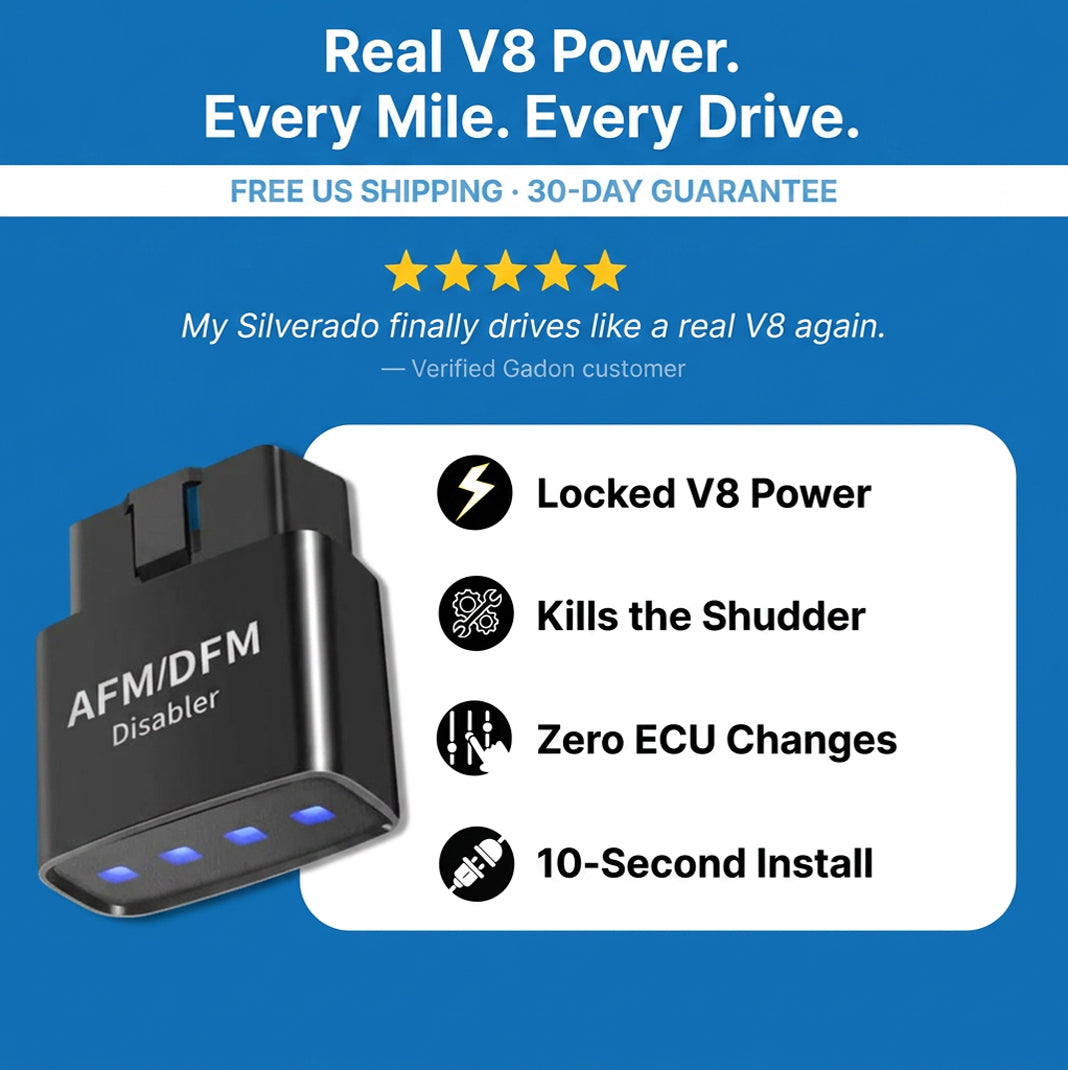
Gadon™ AFM/DFM Disabler
This smart module blocks your GM vehicle V4 mode, preventing sudden hesitations, oil burning issues, and devastating lifter collapses. Easy to install and remove, it preserves your engine health while protecting your factory warranty.
Protect Your GM Engine and Regain Full V8 Power with Gadon.store
At Gadon.store, we provide a reliable, plug-and-play solution that unleashes your engine true V8 potential while protecting it from expensive lifter failures. We are committed to high quality performance modules, zero ECU tracing, and excellent customer support. Upgrade your ride and drive with confidence. Call our support hotline now at +1 813-408-1627 or order directly from our website to secure your vehicle today!
Note: The guidance and prices in this article are for reference at the time of publishing and are subject to change. Please contact Gadon.store directly for the most current information. Always ensure your vehicle is parked safely before interacting with the OBD2 port. Contact Gadon.store for precise support for your GM vehicle.
Disclaimer: The instructions in this article are based on practical experience with GADON STORE products. Always ensure your vehicle is parked safely before interacting with the OBD2 port. Please contact contact@gadon.store for detailed support regarding your specific GM model compatibility.