Silverado Transfer Case Fluid Change DIY Guide
An AFM/DFM disabler module represents the most effective way to maintain consistent V8 power while performing your silverado transfer case fluid service to ensure total vehicle reliability. This in-depth guide on silverado transfer case fluid maintenance helps you choose the correct lubricants and provides professional insights into preventing transmission shudder and lifter failure. By visiting gadon.store, you gain access to expert resources designed to protect your truck from expensive repairs while maximizing performance.
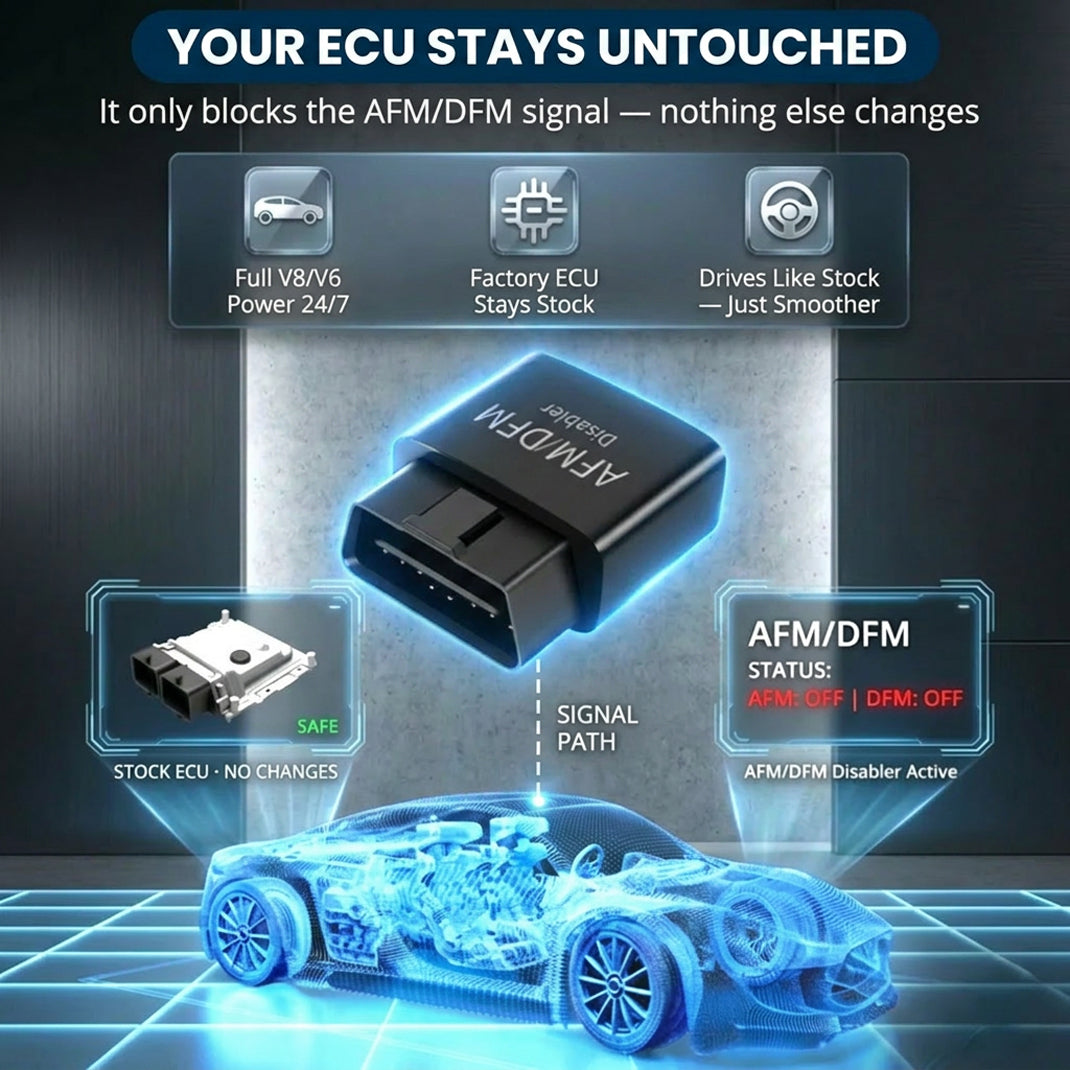
Gadon™ AFM/DFM Disabler
This compact OBD2 plug-in device keeps your GM engine operating in full V8 mode. It prevents rough shifting, torque converter shudder, and saves you from 5000 dollar lifter repair bills without reprogramming your ECU. Our team at Gadon.store is ready to help you confirm compatibility for your vehicle.
Why Proper silverado transfer case fluid is Crucial? A Direct Impact on V8 Performance and Engine Lifespan
Maintaining the silverado transfer case fluid is a fundamental requirement for any four wheel drive owner who values mechanical longevity and smooth operation. The transfer case is responsible for distributing torque between the front and rear axles, and the fluid inside provides vital cooling and lubrication for the internal chain and clutch packs. When this fluid breaks down, it loses the ability to prevent friction, leading to heat buildup that can damage the internal components of the drivetrain. For modern trucks equipped with Active Fuel Management, ensuring a healthy drivetrain is essential to distinguish between mechanical transfer case noise and cylinder deactivation vibrations.
Using a Gadon AFM/DFM disabler correctly ensures your GM engine stays in full V8 mode, delivering smooth, lag-free performance and extending the engine lifespan by preventing costly 5000 dollar lifter failures caused by constant cylinder switching. This technical harmony between a well-maintained transfer case and a stable engine output provides the ultimate driving experience for heavy duty tasks and daily commuting alike. Professional mechanics often notice that vehicles running in full V8 mode experience less stress on the drivetrain components because the torque delivery remains consistent rather than fluctuating during cylinder transitions.
- Preventing internal chain stretch and gear wear within the transfer case housing.
- Eliminating the shudder sensation often confused with transmission or engine issues.
- Ensuring rapid engagement of the 4WD system during slippery or off-road conditions.
- Avoiding the massive financial burden of replacing a seized transfer case assembly.
| Vehicle Generation | Transfer Case Type | Recommended Fluid | Service Interval |
|---|---|---|---|
| 1999 to 2006 Models | NP246 Autotrac | AutoTrac II Blue | 50,000 Miles |
| 2007 to 2013 Models | MP3023 / MP3024 | Dexron VI ATF | 45,000 Miles |
| 2014 to 2018 Models | NQF / NQH Cases | Dexron VI ATF | 45,000 Miles |
| Modern Generation | Electronic Shift | Dexron VI ATF | 30,000 Miles |
| Heavy Duty 2500 | Manual or Electric | Dexron VI ATF | 30,000 Miles |
| Severe Towing Use | All Variants | Full Synthetic ATF | 25,000 Miles |
| Off-Road Frequency | Z71 Packages | Dexron VI ATF | 20,000 Miles |
| Extreme Cold Climate | All Units | Low Viscosity ATF | 30,000 Miles |
A Detailed 3-Step Guide to Using Gadon AFM/DFM Disabler for GM Owners
While maintaining your silverado transfer case fluid is a physical task requiring tools and lubricants, optimizing your engine performance with the Gadon device is an incredibly simple digital upgrade. This module acts as a bridge between the factory computer and the cylinder management system, ensuring that your V8 engine never drops into V4 mode. This prevents the uneven thermal expansion and contraction that leads to lifter failure. Below is the simplified process to integrate this technology into your vehicle maintenance routine.
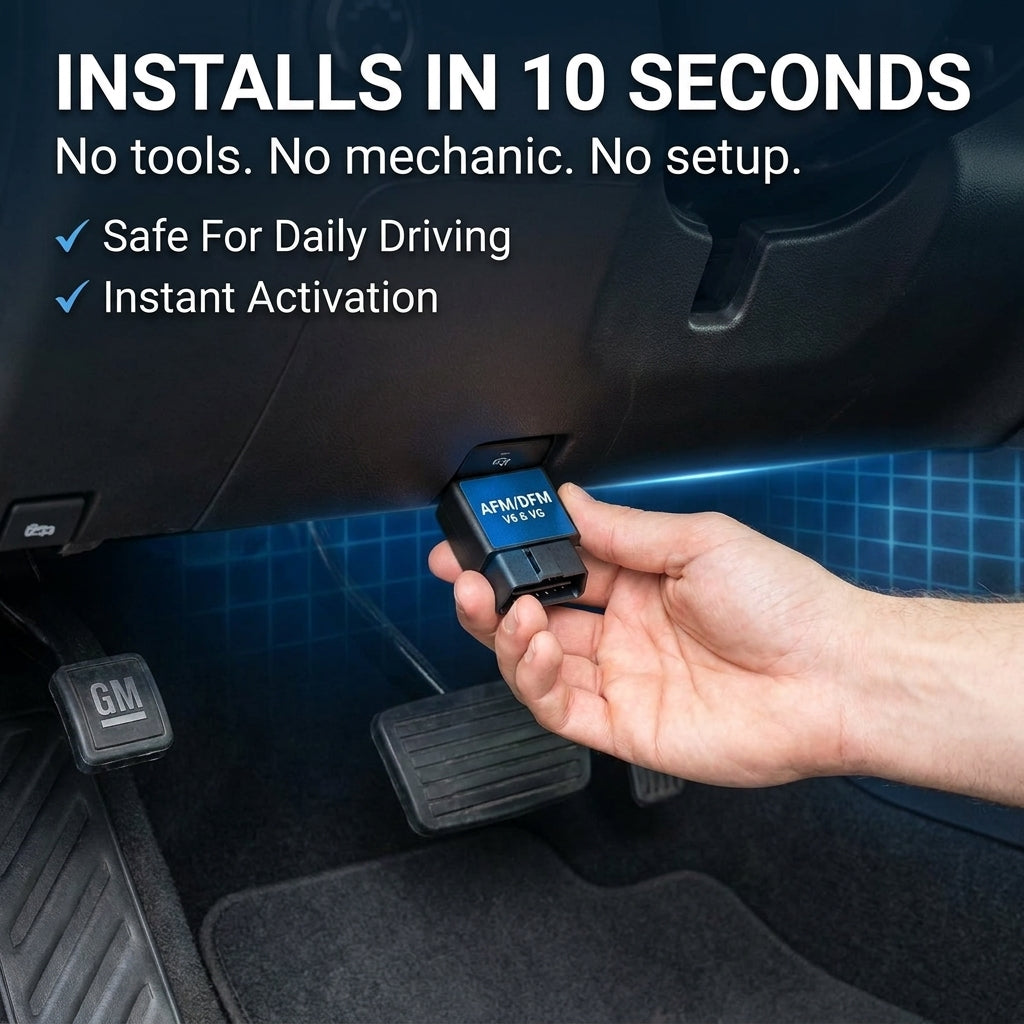
Step 1: Unbox and Locate the OBD2 Port
First, locate the OBD2 diagnostic port inside your GM truck or SUV, usually found under the drivers side dashboard. Ensure your vehicle engine is completely turned off before proceeding. This port is the same one used by mechanics to scan for error codes and provides a direct communication line to the ECU. Removing any existing covers or dust caps from the port will ensure a clean connection for the module.
Step 2: Plug the Device Securely
Take your Gadon™ AFM/DFM Disabler and push it firmly into the port. There are no tools required for this installation. You will notice the indicator lights flash, confirming it has successfully connected to the ECU and is receiving power. The design of the module ensures a snug fit that will not vibrate loose during off-road driving or high speed highway travel. It is engineered to stay plugged in permanently without interfering with other vehicle systems.
Step 3: Start the Engine and Experience Full V8 Power
Start your engine. The device instantly blocks the cylinder deactivation signals without rewriting the factory software. You can now drive normally, experiencing immediate smoother throttle response, no lag, and consistent V8 power on every drive. This setup complements your recent silverado transfer case fluid change by providing a perfectly balanced powertrain where the engine and drivetrain work in absolute harmony, free from the hesitation caused by V4 transitions.
Need Help Checking Vehicle Compatibility? Gadon.store is Ready 24/7
In just 2 minutes, our expert team can confirm if the Gadon™ AFM/DFM Disabler fits your exact year and model.
Advanced Tips: Understanding AFM/DFM on GM Vehicles
The mechanics of General Motors cylinder deactivation systems are complex and have evolved over several generations of truck production. Active Fuel Management and Dynamic Fuel Management were designed to increase fuel economy by shutting down specific cylinders under light load conditions. However, the practical application often results in mechanical issues that frustrate owners. Understanding how these systems interact with your drivetrain can help you better maintain your vehicle and appreciate the necessity of the Gadon performance module.
How Cylinder Deactivation Causes Lifter Failure
The constant switching between V4 and V8 modes creates uneven wear on the active lifters. Over time, this leads to premature lifter failure, bent pushrods, and costly engine rebuilds that can exceed 5000 dollars. When a cylinder is deactivated, the lifter is mechanically collapsed to prevent the valves from opening. If this happens thousands of times during a single road trip, the internal locking pin can fail, causing the lifter to stick or break entirely, often damaging the camshaft in the process.
Eliminating Transmission Shudder at Cruising Speeds
Many drivers experience a noticeable shudder or vibration at 35 to 60 mph. By keeping the engine in full-cylinder mode, the Gadon module balances the torque, eliminating the awkward gear-searching behavior entirely. This shudder is often misdiagnosed as a failing torque converter or contaminated silverado transfer case fluid. By disabling the cylinder management system, you ensure that the engine provides a steady flow of power, which allows the transmission and transfer case to operate without the jerky transitions associated with V4 mode.
Troubleshooting Common Issues with silverado transfer case fluid and Modules
Even with high quality components and proper maintenance, technical questions can arise regarding vehicle performance. Most issues related to transfer case operation or AFM modules can be solved with simple checks and basic mechanical knowledge. At Gadon.store, we believe in empowering owners with the information needed to diagnose their vehicles accurately before spending money at a dealership. Here are the most frequent situations our support team encounters and their simple solutions.
- Why are the lights on the device not turning on? Solution: Check your vehicle OBD2 fuse which is often shared with the cigarette lighter or auxiliary power outlet. If the fuse is blown, the port will not provide power to the Gadon module.
- Will the module drain my truck battery? Solution: The device draws a very minimal amount of power on standby. However, if you plan to leave your truck parked and undriven for several weeks, we recommend unplugging it to be completely safe.
- Do I need to unplug it before taking it to the dealership? Solution: Yes, simply unplug the Gadon disabler before your service visit. Since it leaves zero trace and does not flash the ECU, your factory warranty remains fully intact.
- Is my silverado transfer case fluid leaking from the seals? Solution: Inspect the output shaft seals and the case half mating surfaces. If you see red or blue fluid spots on your driveway, it is time to replace the seals and perform a fresh fluid fill.
- What if the 4WD light is flashing but not engaging? Solution: This is often an actuator issue or an indication that the transfer case fluid is extremely low, causing the internal shift fork to struggle with engagement.
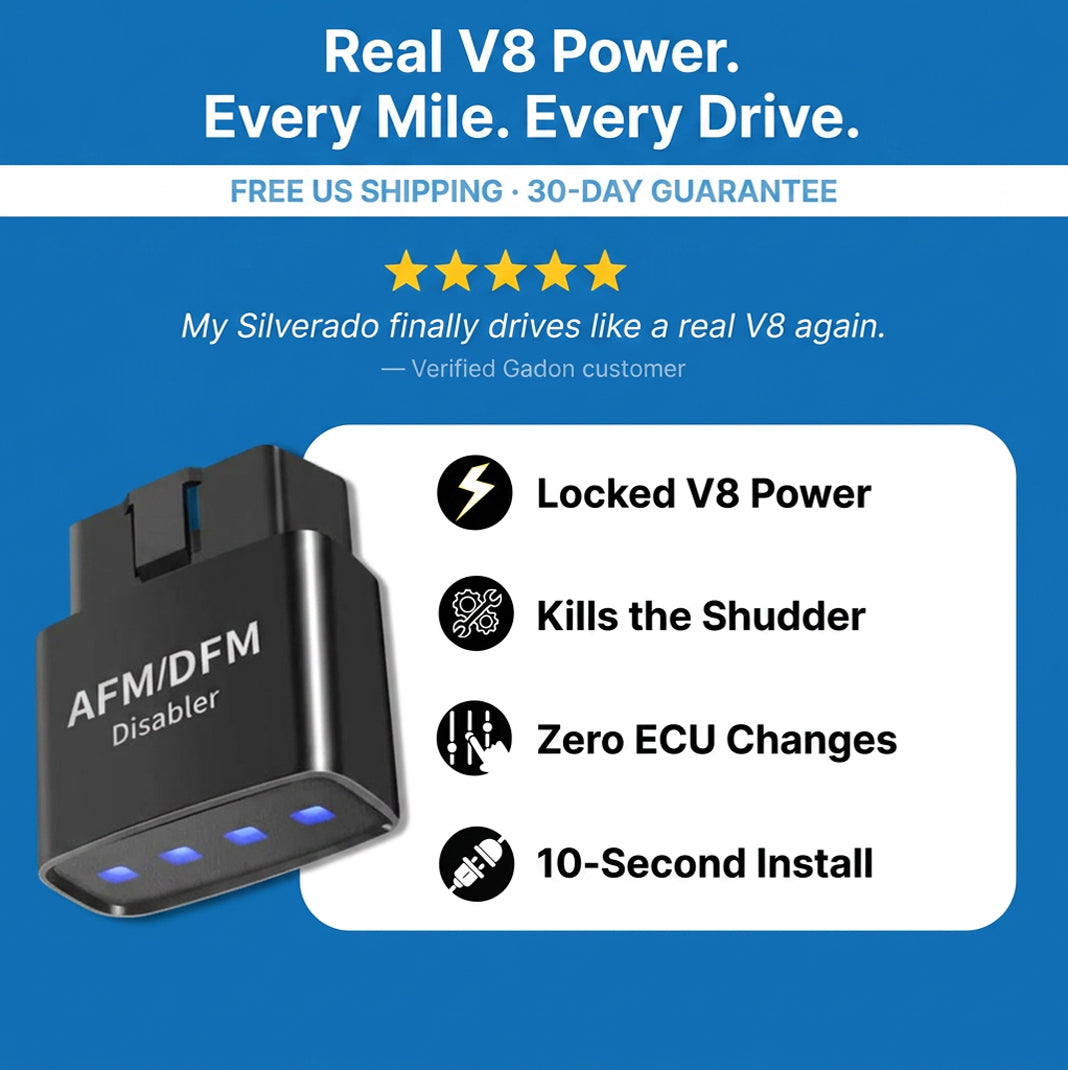
Gadon™ AFM/DFM Disabler
This smart module blocks your GM vehicle V4 mode, preventing sudden hesitations, oil burning issues, and devastating lifter collapses. Easy to install and remove, it preserves your engine health while protecting your factory warranty.
Which Gadon™ AFM/DFM Disabler Package is Right for You? Expert Advice
Selecting the right package depends on the size of your vehicle fleet and your specific performance goals. Whether you are a weekend warrior performing a DIY silverado transfer case fluid change or a professional managing a fleet of service trucks, we have a solution tailored to your needs. Investing in multiple units is a highly effective strategy for households with several GM trucks or SUVs, as it ensures every vehicle in your driveway is protected from engine failure. Every purchase from Gadon.store includes our 90-Day Guarantee and Free Shipping. Use code WELCOME to get an extra 10 percent OFF today.
For personal use on a single daily driver, the 1 Pack Gadon™ Disabler is the perfect choice. You will feel the V8 difference immediately upon your next drive. If you own a Silverado and your spouse drives a Tahoe, the 2 Packs (Most Popular) is ideal, offering a 15 percent discount for a dual-vehicle upgrade. For commercial fleets or professional mechanics, the 3 Packs (Best Value) offers a 25 percent discount, ensuring all your work trucks are protected against lifter failure and transmission shudder issues.
Quick FAQs on Gadon AFM/DFM Disablers
We understand that you may have specific questions before making a purchase for your truck. Our technical team has compiled answers to the most common queries regarding compatibility, safety, and performance. If your question is not listed here, feel free to reach out to our support line for personalized assistance. We are committed to helping every Silverado owner achieve the best possible performance from their vehicle.
- Will it void my GM warranty or trigger a Check Engine Light? No. The Gadon disabler does not reprogram your ECU or flash the computer. Simply unplug it before taking it to the dealership, and it leaves zero trace. Your factory warranty stays intact and it will not trigger a check engine light.
- Will it fit my specific truck model? Yes, it is compatible with over 90 GM models manufactured between 2005 and the modern era, including the Silverado, Tahoe, Sierra, Yukon, Escalade, and Suburban. It works flawlessly with both V6 and V8 engines equipped with AFM or DFM systems.
- Will this actually save my engine from 5000 dollar repairs? Absolutely. AFM/DFM cylinder deactivation is a leading cause of premature lifter failure in GM engines. By keeping the engine firing on all cylinders uniformly, the Gadon device prevents the uneven wear that leads to expensive engine rebuilds.
- When will I feel the difference while driving? Within the first mile. Most drivers report an immediate elimination of shudder at cruising speeds, smoother throttle response, stronger acceleration from a dead stop, and an overall better driving experience.
- How hard is the installation process? It takes less than 10 seconds. You need absolutely no tools and no mechanical experience. If you can plug a charger into your phone, you can plug the Gadon module into your truck OBD2 port.
Need Help Checking Vehicle Compatibility? Gadon.store is Ready 24/7
In just 2 minutes, our expert team can confirm if the Gadon™ AFM/DFM Disabler fits your exact year and model.
Protect Your GM Engine and Regain Full V8 Power with Gadon.store
At Gadon.store, we provide a reliable, plug and play solution that unleashes your engine true V8 potential while protecting it from expensive lifter failures. We are committed to high quality performance modules, zero ECU tracing, and excellent customer support. By combining proper silverado transfer case fluid maintenance with our advanced disabler technology, you ensure your truck remains a powerful and dependable asset for years to come. Upgrade your ride and drive with confidence knowing your engine is safe. Call our support hotline now at +1 813-408-1627 or order directly from our website to secure your vehicle today.
Disclaimer: The instructions and prices in this article are for reference at the time of publishing and are subject to change. Please contact Gadon.store directly for the most current information. Always ensure your vehicle is parked safely before interacting with the OBD2 port. Contact Gadon.store for precise support for your GM vehicle compatibility.