Chevy AFM Class Action Lawsuit: What You Need to Know
Chevy AFM Class Action Lawsuit: What You Need to Know
The Chevy AFM lawsuit highlights significant engine reliability concerns that many truck owners face when dealing with active fuel management systems in modern V8 vehicles. This in-depth guide on the Chevy AFM Class Action Lawsuit will help you understand technical vulnerabilities and explore high quality prevention solutions available at gadon.store. By learning about engine mechanical failures, owners can protect their investments, maintain full V8 power, and avoid expensive lifter repairs that often impact unprotected Silverado or Sierra engines.
Need Help Checking Vehicle Compatibility? Gadon.store is Ready 24/7
In just 2 minutes, our expert team can confirm if the Gadon AFM/DFM Disabler fits your exact year and model.
Why Proper Engine Protection is Crucial? A Direct Impact on V8 Performance and Engine Lifespan
Using a Gadon AFM/DFM disabler correctly ensures your GM engine stays in full V8 mode, delivering smooth, lag-free performance and extending the engines lifespan by preventing costly 5,000 dollar lifter failures caused by constant cylinder switching.

The Chevy AFM lawsuit stems from a fundamental design issue where the Active Fuel Management system causes premature wear on internal engine components. When a truck transitions between V8 and V4 modes, the specialized lifters are subjected to intense mechanical stress. Over time, these components fail to lock or unlock properly, leading to a catastrophic engine event. Understanding why this happens is the first step for any owner who wants to avoid the typical 5,000 dollar repair bill associated with a full lifter replacement. Professional mechanics often observe that vehicles remaining in full cylinder mode experience significantly fewer internal hardware failures compared to those that cycle fuel management systems constantly during highway cruising or city driving. By maintaining a consistent oil pressure and mechanical rhythm, the engine operates as it was originally intended before fuel economy regulations forced these complex compromises upon truck owners. The long term durability of your vehicle depends on how you manage these systems today.
- Prevention of lifter collapse which stops the engine from functioning entirely.
- Elimination of oil consumption issues related to cylinder deactivation patterns.
- Reduction in torque converter wear by removing the vibration caused by 4-cylinder mode.
- Significant savings on labor and parts for major engine overhauls.
- Improvement in immediate throttle response during passing maneuvers on the highway.
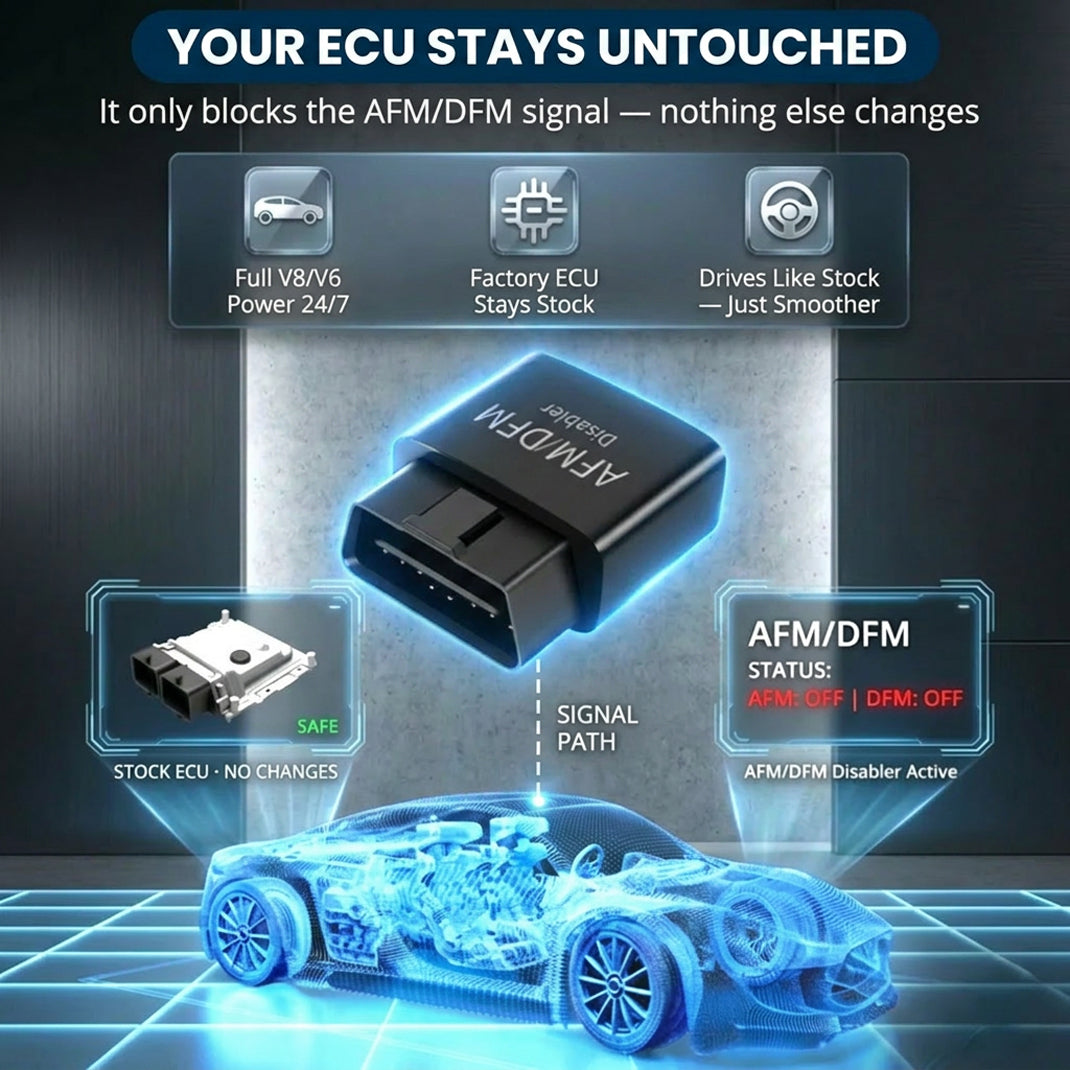
Gadon™ AFM/DFM Disabler
This compact OBD2 plug-in device keeps your GM engine operating in full V8 mode. It prevents rough shifting, torque converter shudder, and saves you from 5,000 dollar lifter repair bills without reprogramming your ECU. Our team at Gadon.store is ready to help you confirm compatibility for your vehicle.
A Detailed 3-Step Guide to Using the AFM Disabler for GM Owners
The following procedure outlines how to install a plug and play module to bypass the fuel management system safely. This process is designed for owners of Chevrolet Silverado, GMC Sierra, and Cadillac Escalade models who wish to retain full engine power without performing permanent software modifications. The steps are straightforward and require no specialized tools or automotive training. By following this sequence, you ensure that the communication between your vehicle onboard computer and the fuel management system is properly managed. This guide is based on technical data provided by the Gadon store engineering team to maximize device efficiency and vehicle safety. Many owners choose this route because it is non invasive and can be reversed in seconds if the vehicle needs to be returned to factory specifications for any reason.
Step 1: Unbox and Locate the OBD2 Port
Begin by removing the device from its protective packaging. You must locate the OBD2 diagnostic port which is situated inside the cabin of your GM truck or SUV. In most Silverado and Sierra models, this port is found directly under the dashboard on the driver side, near the steering column. It is a trapezoidal female connector that is used by mechanics for diagnostics. Before you proceed, ensure that the engine is turned off and the ignition is in the off position. This prevents any electrical surges during the initial connection phase and ensures a clean data handshake between the module and the vehicle central processing unit.
Step 2: Plug the Device Securely
Align the pins of your Gadon AFM/DFM Disabler with the slots in the OBD2 port. Push the module firmly and evenly into the connector until it is fully seated. You do not need any screwdrivers or pliers for this task. Once the connection is established, the indicator lights on the module will begin to flash or glow steadily. This visual signal confirms that the device is receiving power from the vehicle electrical system and has initiated communication with the ECU. This specific connection allows the module to send a high speed signal that tells the engine computer to remain in V8 mode at all times regardless of speed or load conditions.
Step 3: Start the Engine and Experience Full V8 Power
With the device plugged in, you may now start the engine. You will notice that the dashboard indicators no longer transition between V8 and V4 modes while driving. The vehicle will now operate with smoother throttle response and consistent V8 power during every mile of your journey. There is no need for a break in period or additional configuration. The module works in real time to intercept the cylinder deactivation commands. Drivers often report an immediate improvement in how the transmission shifts, as the hunting for gears often associated with AFM systems is completely eliminated. Your engine is now protected from the mechanical stress mentioned in the Chevy AFM lawsuit.
Advanced Tips: Understanding AFM/DFM on GM Vehicles
To truly protect a GM vehicle, an owner must understand the mechanical nuances between Active Fuel Management and Dynamic Fuel Management. While both systems aim to save fuel by disabling cylinders, their impact on engine longevity varies. The Chevy AFM lawsuit focused on the 5.3L and 6.2L engines where lifter failures were most prevalent. When these systems are active, the oil pressure is diverted to collapse the lifter, preventing the valves from opening. This process happens thousands of times during a single road trip. The repeated physical impact and the reduction in lubrication during deactivation periods are the primary catalysts for the failures cited by thousands of plaintiffs in legal filings against the manufacturer. Learning how to identify early warning signs can save an owner from a total engine breakdown on the road.
How Cylinder Deactivation Causes Lifter Failure
The mechanical failure occurs when the locking pin within the specialized AFM lifter becomes stuck due to oil sludge or mechanical fatigue. Because these lifters are designed to be complex, they are much more fragile than traditional solid or hydraulic lifters. When the pin fails to engage, the lifter cannot open the valve, causing a misfire, a loud ticking sound, and eventually damage to the camshaft. This is the core issue addressed by the Chevy AFM lawsuit. By disabling the system through an OBD2 module, you ensure these pins remain in the locked position, preventing the wear and tear associated with the constant switching process that leads to 5,000 dollar engine rebuilds.
Eliminating Transmission Shudder at Cruising Speeds
A common complaint among GM owners is a vibration or shudder that feels like driving over rumble strips when the truck is between 35 and 60 miles per hour. This is often caused by the torque converter struggling to balance the uneven power pulses of a V4 engine mode. By using a disabler from Gadon store, the engine remains balanced in V8 mode. This removes the strain on the drivetrain, eliminates the shudder, and provides a much more refined driving experience. Many owners find that this benefit alone justifies the investment, as it prevents long term damage to the transmission system and enhances overall ride quality for all passengers.

| Product Package | Target User | Included Items | Reference Price |
|---|---|---|---|
| 1 Pack | Single Vehicle Owners | 1x Gadon AFM/DFM Disabler | 99.99 dollars with code |
| 2 Packs Popular | Families and GM Trucks | 2x Gadon AFM/DFM Disablers | 15 percent discount |
| 3 Packs Value | Work Fleets and Shops | 3x Gadon AFM/DFM Disablers | 25 percent discount |
| Return Policy | All Orders | Full refund guarantee | 90 Days Guarantee |
| Worldwide Shipping | All Orders | Tracked Delivery | Free |
| Compatibility Check | All Customers | 2 Minute Verification | Free via WhatsApp |
| Technical Support | All Customers | Expert Guidance | Free 24/7 Support |
| ECU Safety | All Models | Zero Trace Technology | Warranty Safe |
Troubleshooting Common Issues with the AFM Module
While the Gadon AFM disabler is designed for simplicity, some users may encounter minor technical questions during the installation or daily use. Understanding the electrical environment of a GM truck is essential for maintaining the devices performance. Most issues are related to the vehicle power management or fuse settings rather than the module hardware itself. Our technical support team has compiled a list of common scenarios to help you resolve any connectivity hurdles quickly. By addressing these points, you can ensure that your vehicle remains in full V8 mode without interruption. Remember that these devices are designed to be robust and are tested against the rigorous standards of modern automotive electronics. Consistent monitoring of your dashboard and the module status lights will provide peace of mind during long drives.
- Why are the lights on the device not turning on? If the module shows no activity, you should inspect the OBD2 fuse in your vehicle fuse box. This fuse is often shared with the cigarette lighter or auxiliary power outlets. If the fuse is blown, the port cannot provide the necessary 12V power to the module.
- Will the module drain my truck battery? The Gadon disabler uses a very low amount of current in standby mode. However, if you plan to leave your truck parked for more than three weeks without driving, it is a recommended safety precaution to unplug the device to prevent any potential battery discharge.
- Do I need to unplug it before taking it to the dealership? Yes, you should always remove the module before any service visit. Since the device leaves zero trace and does not flash the ECU, your factory warranty remains fully intact. Simply plug it back in once you have left the dealership.
- What if my check engine light appears? In rare cases, if the device is not seated firmly, a communication error might occur. Ensure the module is pushed all the way into the port. If the light persists, unplug the device, restart the vehicle, and then reinsert the module firmly.
Need Help Checking Vehicle Compatibility? Gadon.store is Ready 24/7
In just 2 minutes, our expert team can confirm if the Gadon AFM/DFM Disabler fits your exact year and model.
Which Gadon AFM/DFM Disabler Package is Right for You? Expert Advice
Selecting the right package from Gadon store depends on your specific vehicle ownership situation and long term maintenance goals. Every purchase from Gadon.store includes our 90-Day Guarantee and Free Shipping. Use code WELCOME to get an extra 10 percent OFF today. Whether you are a solo truck owner or managing a large commercial fleet, we have a solution tailored to your needs. Our packages are designed to provide maximum value while ensuring that every GM engine under your care is protected from the mechanical issues described in the Chevy AFM lawsuit. Professional shops often choose our bulk packages to offer as a value added service to their customers who are concerned about engine longevity and performance. By choosing the right quantity, you can secure significant discounts while providing the same high level of protection across all your vehicles.
- For Personal Use: The 1 Pack Gadon Disabler is the ideal choice for a daily driver. It provides immediate results and fits easily into any budget, serving as a vital insurance policy against expensive lifter failures.
- For Multi-Vehicle Owners: If you own a Silverado and your spouse drives a Tahoe, the 2 Packs option is the most popular. It offers a 15 percent discount, allowing you to upgrade both vehicles simultaneously for a lower price per unit.
- For Fleets and Workshops: For commercial fleets or professional mechanics, the 3 Packs package offers the best value with a 25 percent discount. This ensures that all your work trucks are protected, reducing downtime and maintenance costs significantly over the life of the fleet.
Quick FAQs on Gadon AFM/DFM Disablers
Addressing the most common questions regarding the Chevy AFM lawsuit and the use of disabler modules is essential for making an informed decision. Our experts at Gadon store have processed thousands of inquiries from truck owners who are worried about their warranty and engine health. These answers are based on extensive field testing and feedback from over 50,000 satisfied customers. We aim to clarify how the technology works and why it is a safe choice for your GM vehicle. If your specific question is not covered here, our support line is always available to provide personalized technical assistance for your specific truck model and year.
- Will it void my GM warranty or trigger a Check Engine Light? No, the Gadon disabler does not reprogram the ECU. It leaves zero trace when unplugged. Your factory warranty remains intact, and it will not trigger any diagnostic trouble codes or warning lights.
- Will it fit my specific truck model? Yes, the module is compatible with over 90 GM models from 2005 to 2026, including the Silverado, Sierra, Tahoe, Yukon, and Escalade. It works with both AFM and DFM systems.
- Will this actually save my engine from 5,000 dollar repairs? Absolutely. By preventing the constant mechanical cycling of the AFM lifters, you eliminate the primary cause of lifter collapse and camshaft damage, which are the most expensive repairs for these engines.
- When will I feel the difference while driving? You will notice the difference within the first mile. The engine will feel more responsive, the transmission will shift smoother, and the annoying V4 vibration will be gone instantly.
- How hard is the installation process? It is a 10-second process. You simply plug it into the OBD2 port. If you can charge a phone, you can install this device.
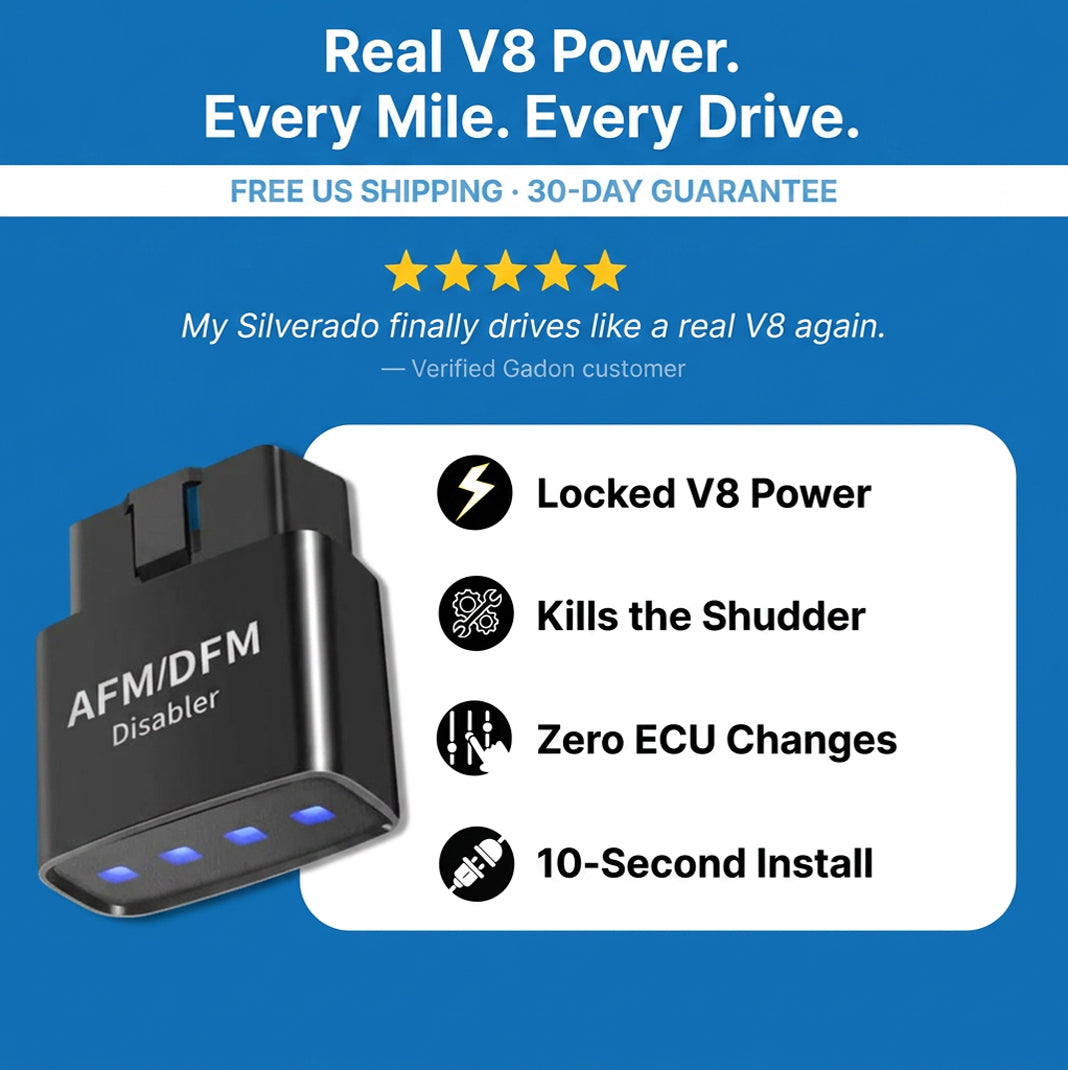
Gadon™ AFM/DFM Disabler
This smart module blocks your GM vehicle V4 mode, preventing sudden hesitations, oil burning issues, and devastating lifter collapses. Easy to install and remove, it preserves your engine health while protecting your factory warranty.
Protect Your GM Engine and Regain Full V8 Power with Gadon.store
At Gadon.store, we provide a reliable, plug and play solution that unleashes your engine true V8 potential while protecting it from expensive lifter failures. We are committed to high quality performance modules, zero ECU tracing, and excellent customer support. Upgrade your ride and drive with confidence knowing your vehicle is safe from the AFM defects. To unlock full V8 power and protect your engine, order yours today! Call our support hotline now at +1 813-408-1627 or order directly from our website to secure your vehicle today!
Disclaimer: The instructions and prices in this article are for reference at the time of publishing and are subject to change. Please contact Gadon.store directly for the most current information. Always ensure your vehicle is parked safely before interacting with the OBD2 port. Contact Gadon.store for precise support for your GM vehicle.