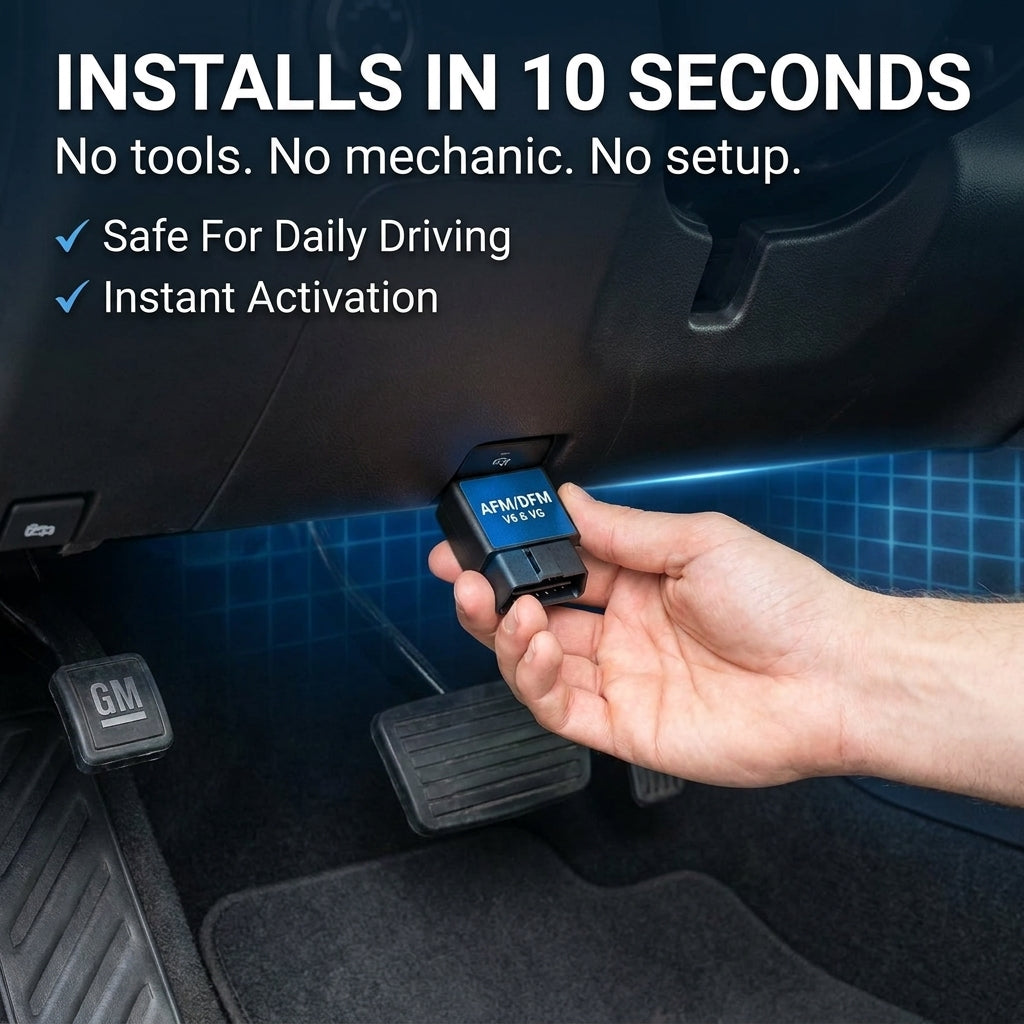
Silverado Hard Shift from 1st to 2nd: How to Fix
Silverado hard shift 1 to 2 issues often signal underlying communication conflicts between the transmission control module and the engine management system, especially on vehicles equipped with cylinder deactivation technology. This in-depth guide on Silverado hard shift 1 to 2 solutions will help you identify root causes, understand the relationship between Active Fuel Management and transmission health, and implement professional fixes from gadon.store that protect your investment and restore smooth V8 performance without invasive engine modifications.
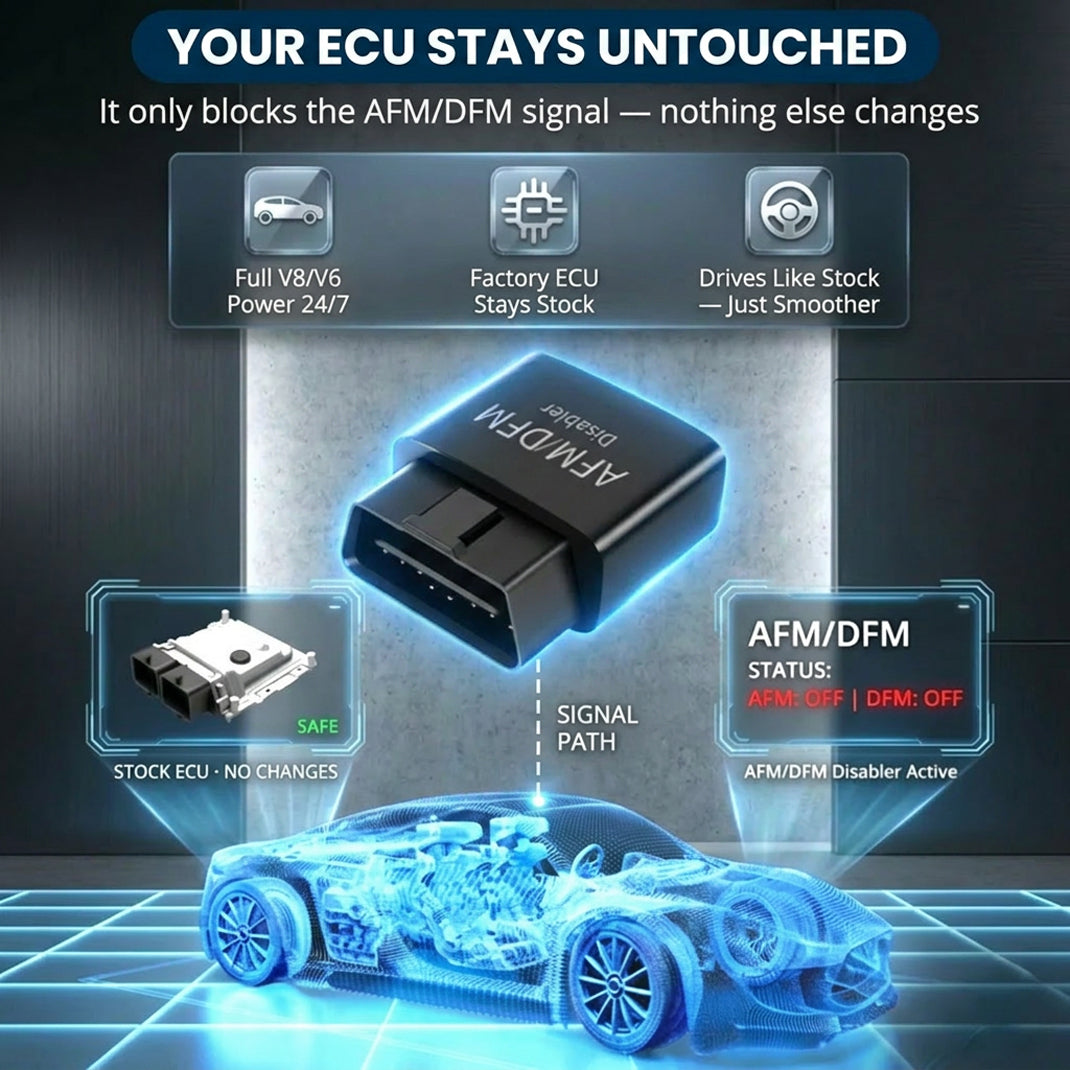
Gadon AFM/DFM Disabler
This compact OBD2 plug-in device keeps your GM engine operating in full V8 mode. It prevents rough shifting, torque converter shudder, and saves you from 5000 dollar plus lifter repair bills without reprogramming your ECU. Our team at Gadon.store is ready to help you confirm compatibility for your vehicle.
Why Proper Silverado Hard Shift Analysis is Crucial? A Direct Impact on V8 Performance and Engine Lifespan
Understanding the mechanics of a harsh 1 to 2 transition is essential because this specific gear change occurs under high torque loads during initial acceleration. When a Chevrolet Silverado experience a clunk or a jerk at low speeds, it is not merely an annoyance; it is an indication of hydraulic pressure spikes or mechanical timing mismatches. If left unaddressed, these harsh shifts accelerate wear on the clutch packs and the torque converter, eventually leading to transmission failure that requires a complete rebuild costing thousands of dollars.

Using a Gadon AFM/DFM disabler correctly ensures your GM engine stays in full V8 mode, delivering smooth, lag-free performance and extending the engine lifespan by preventing costly 5000 dollar plus lifter failures caused by constant cylinder switching. Key reasons why managing this issue is vital include:
- Prevention of premature lifter collapse and camshaft damage caused by cylinder deactivation cycles.
- Maintenance of consistent line pressure within the 6L80 or 8L90 transmission valve body.
- Reduction of torque converter shudder which often mimics a mechanical gear shift problem.
- Elimination of the hesitation felt when the engine transitions from V4 to V8 mode during a shift.
Need Help Checking Vehicle Compatibility? Gadon.store is Ready 24/7
In just 2 minutes, our expert team can confirm if the Gadon AFM/DFM Disabler fits your exact year and model.
A Detailed 3-Step Guide to Using the AFM Disabler for GM Owners
The most effective way to eliminate shift hesitation and gear searching is to ensure the engine provides a steady power band. Many hard shifts are actually the result of the Engine Control Unit attempting to manage torque while simultaneously deactivating cylinders. By maintaining V8 mode, the transmission receives consistent data, allowing for smoother fluid engagement. This process is simple and requires no specialized mechanical tools or permanent modifications to your vehicle software.
Step 1: Unbox and Locate the OBD2 Port
First, locate the OBD2 diagnostic port inside your GM truck or SUV, usually found under the driver side dashboard near the hood release lever. Ensure your vehicle engine is completely turned off before proceeding to avoid any data communication errors during the initial handshake. It is important to clear the area of any debris or loose wiring to ensure a clean connection to the pins of the port.
Step 2: Plug the Device Securely
Take your Gadon AFM/DFM Disabler and push it firmly into the port. There are no tools required for this installation. You will notice the indicator lights flash in a specific sequence, confirming it has successfully connected to the ECU. This connection allows the module to send a signal that prevents the engine from entering V4 mode, effectively keeping all cylinders active at all times while the device remains plugged in.
Step 3: Start the Engine and Experience Full V8 Power
Start your engine and observe the dashboard display. The device instantly blocks the cylinder deactivation signals without rewriting the factory software. You can now drive normally, experiencing immediate smoother throttle response, no lag during gear changes, and consistent V8 power on every drive. Most users notice the absence of the typical 1 to 2 gear jerk within the first few miles of driving as the transmission adapts to the steady engine torque output.
Advanced Tips: Understanding AFM/DFM on GM Vehicles
Active Fuel Management and Dynamic Fuel Management are technologies designed to improve fuel economy by shutting down cylinders during light load conditions. However, the mechanical cost often outweighs the fuel savings. When the system shuts off cylinders, the engine creates unbalanced internal pressures and temperatures. This is a primary driver behind the various driveability complaints seen in modern Silverado and Sierra models.
How Cylinder Deactivation Causes Lifter Failure
The constant switching between V4 and V8 modes creates uneven wear on the active lifters. Special switching lifters are used to facilitate this process, but they are prone to mechanical locking or failing to unlock correctly. Over time, this leads to premature lifter failure, bent pushrods, and costly engine rebuilds that can exceed 5000 dollars. Keeping the engine in V8 mode ensures all lifters stay pressurized and lubricated equally, preventing the dreaded lifter tick.
Eliminating Transmission Shudder at Cruising Speeds
Many drivers experience a noticeable shudder or vibration at 35 to 60 miles per hour, often mistaken for a transmission gear problem. This is frequently caused by the torque converter clutch cycling rapidly to compensate for the reduced power of V4 mode. By keeping the engine in full cylinder mode, the Gadon module balances the torque output, eliminating the awkward gear searching behavior and the vibration entirely, which preserves the life of the torque converter.
Troubleshooting Common Issues with Silverado Transmission Shifts
If you continue to experience a hard shift after ensuring the engine is in V8 mode, there are several diagnostic steps to consider. The 6L80 transmission is known for adaptive learning, meaning it remembers driving habits and adjusts shift pressures accordingly. Sometimes, a reset of these adaptive values is necessary after installing a performance module to allow the transmission to relearn the new, consistent power delivery of the engine.
- Why are the lights on the device not turning on? Solution: Check your vehicle OBD2 fuse which is often shared with the cigarette lighter or accessory power outlet. If the fuse is blown, the port will not provide power to the Gadon module.
- Will the module drain my truck battery? Solution: The device draws a very minimal amount of power on standby. However, if you plan to leave your truck parked and undriven for several weeks, we recommend unplugging it to be safe.
- Do I need to unplug it before taking it to the dealership? Solution: Yes, simply unplug the Gadon disabler before your service visit. Since it leaves zero trace and does not flash the ECU, your factory warranty remains 100 percent intact.
- What if the shift jerk persists? Solution: Ensure your transmission fluid is at the correct level and has been changed according to the heavy duty service interval. Dark or burnt fluid can cause solenoid sticking regardless of the engine mode.
Which Gadon AFM/DFM Disabler Package is Right for You? Expert Advice
Selecting the right package depends on your fleet size and vehicle usage. Every purchase from Gadon.store includes our 90 Day Guarantee and Free Shipping. Use code WELCOME to get an extra 10 percent OFF today! For personal use on a single daily driver, the 1 Pack Gadon Disabler is the ideal choice. You will feel the V8 difference immediately upon acceleration and during low speed maneuvers where the 1 to 2 shift occurs.

If you own a Silverado and your spouse drives a Tahoe or Yukon, the 2 Packs option is the most popular, offering a significant discount for a dual vehicle upgrade. For commercial fleets or professional mechanics, the 3 Packs package offers the highest value, ensuring all your work trucks are protected against lifter failure and transmission strain. This proactive approach saves thousands in long term maintenance and prevents vehicle downtime.
| Product Package | Target User | Included Items | Reference Price |
|---|---|---|---|
| 1 Pack Module | Individual Truck Owners | 1x Gadon AFM/DFM Disabler | 99.99 dollars with code |
| 2 Pack Special | Multi Vehicle Households | 2x Gadon AFM/DFM Disablers | 15 percent discount |
| 3 Pack Value | Fleet Managers and Shops | 3x Gadon AFM/DFM Disablers | 25 percent discount |
| Support Service | All Customers | 24/7 Technical Assistance | Included Free |
| Warranty Policy | All Orders | 90 Day Full Refund | Satisfaction Guarantee |
| Shipping Method | Domestic and Global | Insured Tracked Shipping | Free Shipping |
| Compatibility | GM 2005 to 2026 | V6 and V8 Gas Engines | Verified fitment |
| Installation | DIY Friendly | Plug and Play OBD2 | 10 second setup |
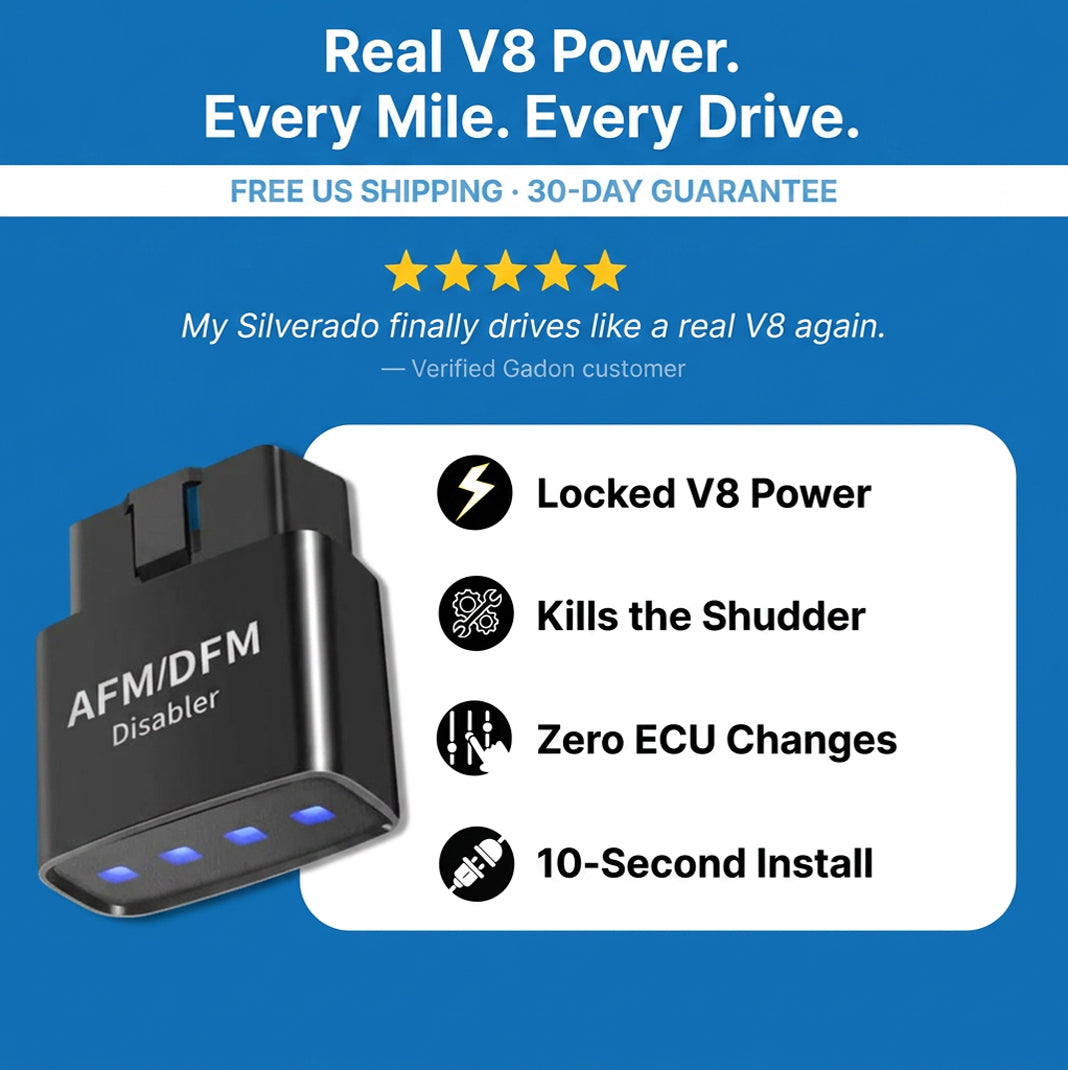
Gadon AFM/DFM Disabler Module
This smart module blocks your GM vehicle V4 mode, preventing sudden hesitations, oil burning issues, and devastating lifter collapses. Easy to install and remove, it preserves your engine health while protecting your factory warranty.
Quick FAQs on Gadon AFM/DFM Disablers
Addressing common concerns helps GM owners make informed decisions about their vehicle performance and longevity. Below are the most frequent queries regarding the use of OBD2 disabler modules for correcting shift issues and preventing engine damage.
-
Will it void my GM warranty or trigger a Check Engine Light?
No. The Gadon disabler does NOT reprogram your ECU or flash the computer. Simply unplug it before taking it to the dealership, and it leaves zero trace. Your factory warranty stays 100 percent intact and it will not trigger a check engine light. -
Will it fit my specific truck model?
Yes, it is compatible with over 90 GM models manufactured between 2005 and 2026, including the Silverado, Tahoe, Sierra, Yukon, Escalade, and Suburban. It works flawlessly with both V6 and V8 engines equipped with AFM or DFM systems. -
Will this actually save my engine from 5000 dollar plus repairs?
Absolutely. AFM/DFM cylinder deactivation is the leading cause of premature lifter failure in GM engines. By keeping the engine firing on all cylinders uniformly, the Gadon device prevents the uneven wear that leads to 3000 to 8000 dollar engine rebuilds. -
When will I feel the difference while driving?
Within the first mile. Most drivers report an immediate elimination of shudder at cruising speeds, smoother throttle response, stronger acceleration from a dead stop, and an overall better driving experience without gear hunting. -
How hard is the installation process?
It takes less than 10 seconds. You need absolutely no tools and no mechanical experience. If you can plug a charger into your phone, you can plug the Gadon module into your truck OBD2 port.
Need Help Checking Vehicle Compatibility? Gadon.store is Ready 24/7
In just 2 minutes, our expert team can confirm if the Gadon AFM/DFM Disabler fits your exact year and model.
Protect Your GM Engine and Regain Full V8 Power with Gadon.store
At Gadon.store, we provide a reliable, plug and play solution that unleashes your engine true V8 potential while protecting it from expensive lifter failures. We are committed to high quality performance modules, zero ECU tracing, and excellent customer support. Upgrade your ride and drive with confidence knowing your transmission and engine are operating in harmony without the interference of cylinder deactivation. Call our support hotline now at +1 813-408-1627 or order directly from our website to secure your vehicle today!
Disclaimer: The instructions in this article are based on practical experience with GADON STORE products. Always ensure your vehicle is parked safely before interacting with the OBD2 port. Please contact contact@gadon.store for detailed support regarding your specific GM model compatibility. The guidance and prices in this article are for reference at the time of publishing and are subject to change. Please contact Gadon.store directly for the most current information.