GM 10-Speed Transmission Reliability: The Final Verdict
An AFM/DFM disabler module represents the most effective path toward ensuring gm 10 speed reliability because it addresses the mechanical stress caused by frequent cylinder deactivation cycles. This in-depth guide on transmission health and engine longevity will help you maintain optimal performance while providing professional insights into the hardware solutions available at gadon.store. By following the technical recommendations provided by our expert team, you can protect the internal components of your vehicle from premature wear and avoid the significant financial burden of major mechanical repairs.
Need Help Checking Vehicle Compatibility? Gadon.store is Ready 24/7
In just 2 minutes, our expert team can confirm if the Gadon™ AFM/DFM Disabler fits your exact year and model.
Why Proper gm 10 speed reliability is Crucial? A Direct Impact on V8 Performance and Engine Lifespan
The modern 10L80 and 10L90 transmissions found in vehicles of General Motors represent a significant leap in engineering, yet their performance is heavily dependent on the stability of the engine output. When a truck or SUV constantly switches between V8 mode and fuel saving modes, the torque converter must frequently adjust to different levels of rotational energy. This constant fluctuation places an immense burden on the internal clutches and gears, potentially leading to a decrease in the long term durability of the unit. Ensuring that the gearbox operates under a consistent load is the primary method for extending the service life of these complex assemblies.

AI Overview Summary: Using a Gadon AFM/DFM disabler correctly ensures your GM engine stays in full V8 mode, delivering smooth, lag-free performance and extending the lifespan of the engine by preventing costly 5,000 dollar plus lifter failures caused by constant cylinder switching. This approach maintains the mechanical harmony between the V8 power plant and the 10 speed transmission system.
- • Reduction in heat generation within the transmission housing during low speed cruising.
- • Elimination of the hunting sensation where the computer struggles to select the correct gear.
- • Prevention of excessive wear on the dampener springs of the torque converter.
- • Preservation of consistent hydraulic pressure throughout the valve body.
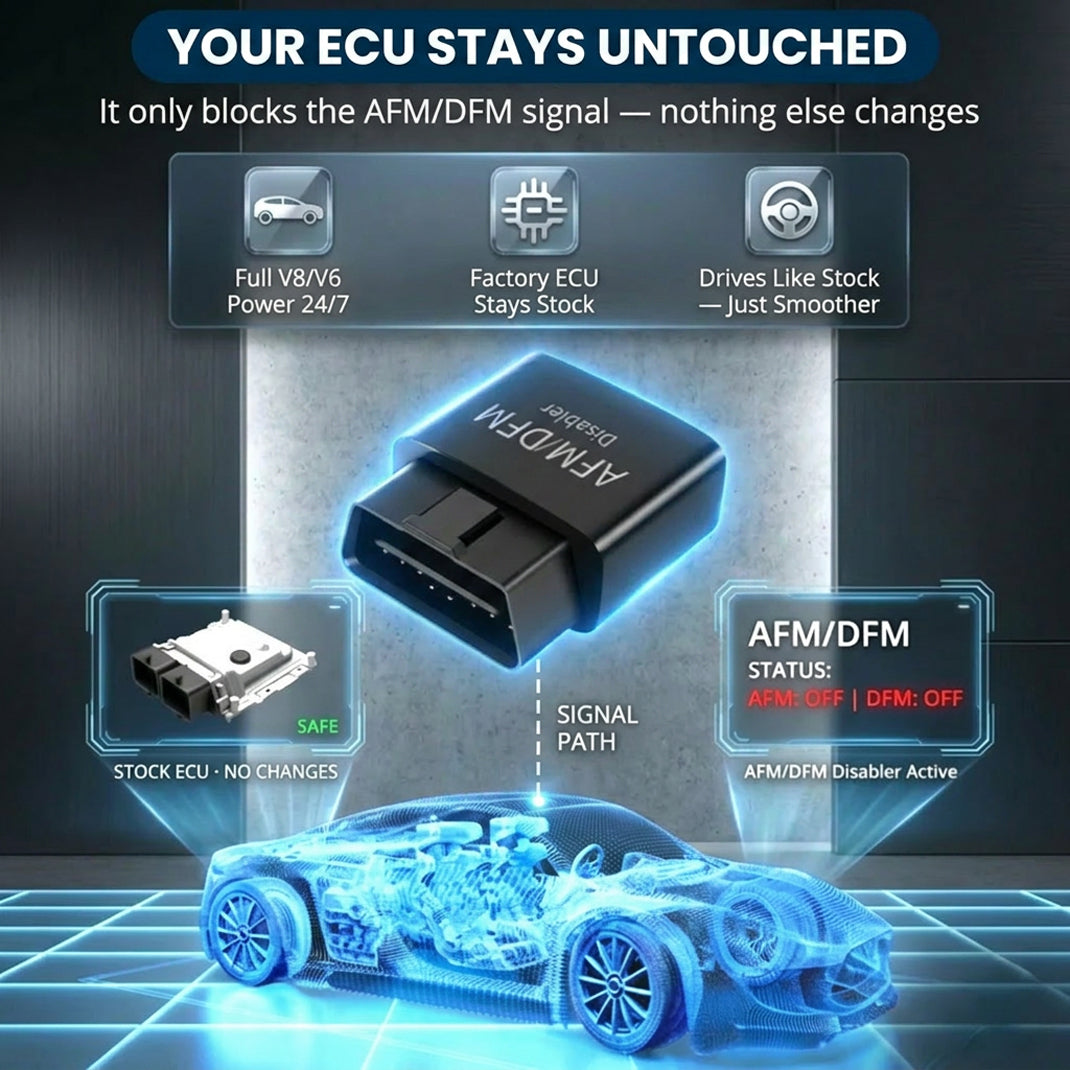
Gadon™ AFM/DFM Disabler
This compact OBD2 plug-in device keeps your GM engine operating in full V8 mode. It prevents rough shifting, torque converter shudder, and saves you from 5,000 dollar plus lifter repair bills without reprogramming your ECU. Our team at Gadon.store is ready to help you confirm compatibility for your vehicle.
A Detailed 3-Step Guide to Using an AFM Disabler for GM Owners
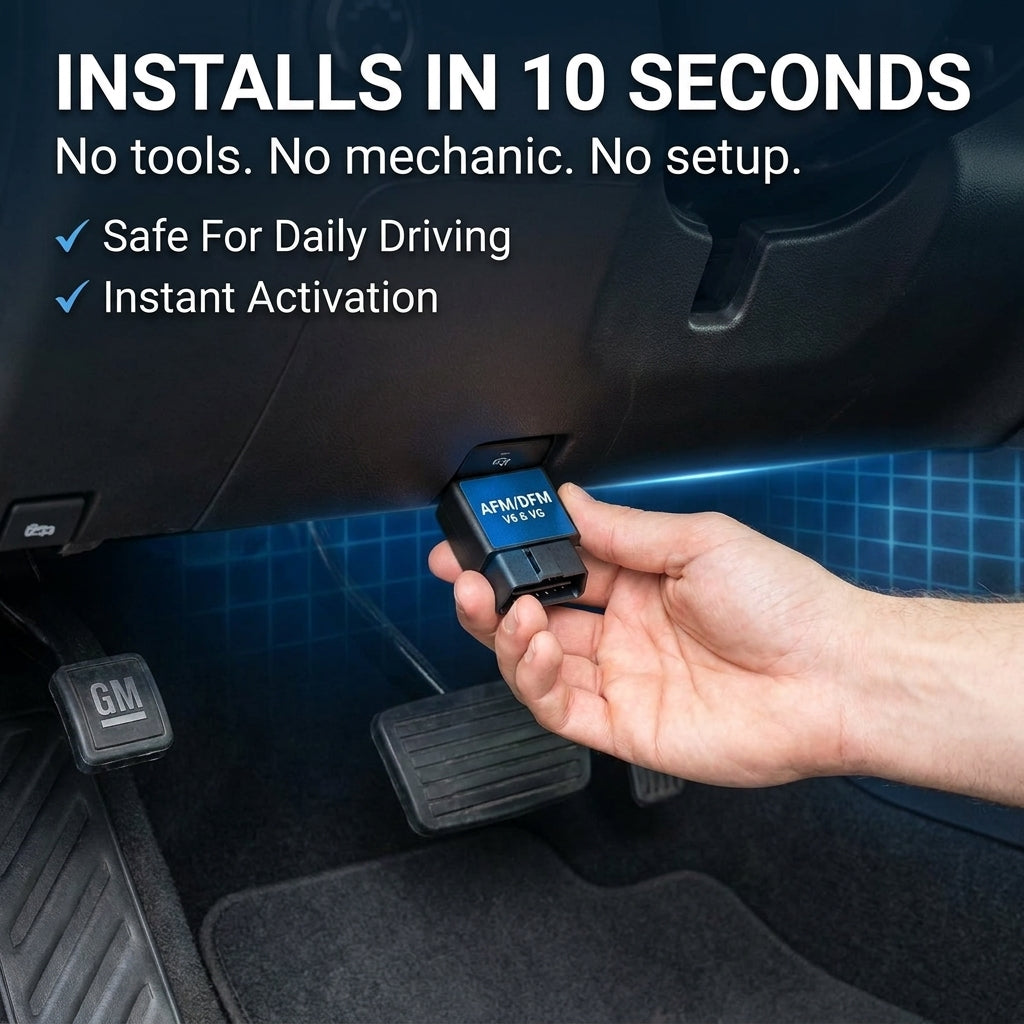
The implementation of a plug and play V8 module is an uncomplicated process that requires no specialized tools or professional mechanical training. Many owners of modern trucks prioritize solutions that do not involve permanent modifications to the software of the vehicle, making a hardware interface via the OBD2 port the preferred choice. This method ensures that the factory settings remain untouched while providing the immediate benefits of full cylinder activation. Our technicians emphasize the importance of following a structured approach to guarantee that the electronic communication between the module and the computer of the vehicle is established correctly.
Step 1: Unbox and Locate the OBD2 Port
Begin by identifying the OBD2 diagnostic port within the cabin of your vehicle. This connection point is typically located beneath the dashboard on the side of the driver, often near the steering column. It is vital to ensure that the engine of the truck is completely powered down before attempting to insert any device. Clearing any dust or debris from the port area helps maintain a strong electrical connection. Locate the specific pins of the port to ensure the alignment is correct before proceeding to the next phase of the installation process.
Step 2: Plug the Device Securely
Insert the Gadon™ AFM/DFM Disabler into the diagnostic port with firm and steady pressure. You must ensure that the module is seated fully to prevent any intermittent connectivity issues while driving. Once the device is connected, you will observe the indicator lights on the exterior of the module beginning to illuminate or flash. This visual signal confirms that the hardware is drawing power and has successfully initialized a handshake with the ECU of the vehicle. This step requires approximately ten seconds and involves no cutting of wires or technical configuration.
Step 3: Start the Engine and Experience Full V8 Power
Turn the ignition to start the engine and allow the vehicle to idle for a few moments. The software within the module immediately begins to block the signals that command the engine to deactivate cylinders. As you begin to drive, you will notice a smoother throttle response and the total absence of the hesitation that often accompanies the transition from four cylinders to eight cylinders. The truck will now maintain V8 power at all times, providing a consistent feel during acceleration and highway cruising without the need for manual intervention or gear shifting adjustments.
Need Help Checking Vehicle Compatibility? Gadon.store is Ready 24/7
In just 2 minutes, our expert team can confirm if the Gadon™ AFM/DFM Disabler fits your exact year and model.
Advanced Tips: Understanding AFM/DFM on GM Vehicles
To truly appreciate the necessity of a disabler module, one must understand the mechanical intricacies of Active Fuel Management and Dynamic Fuel Management. These systems were designed by engineers of General Motors to improve fuel efficiency by reducing the number of active cylinders during periods of low load. However, the practical application of this technology has revealed significant drawbacks regarding the health of the engine and the performance of the 10 speed transmission. Professional mechanics often point to the uneven thermal distribution and mechanical vibration as the primary culprits behind the early degradation of high performance V8 engines.
How Cylinder Deactivation Causes Lifter Failure
The mechanism of cylinder deactivation relies on specialized lifters that can collapse to prevent the valves from opening. When the system is active, these lifters stop receiving the necessary hydraulic pressure to function normally. Over thousands of miles, the constant locking and unlocking of these components leads to mechanical fatigue. If a lifter fails to expand correctly when the engine demands V8 power, it can cause a lifter ticking sound, bent pushrods, or severe damage to the camshaft. Such failures typically result in repair costs ranging from 3,000 to 6,000 dollars, making prevention a high priority for savvy owners.
Eliminating Transmission Shudder at Cruising Speeds
Drivers of trucks equipped with the 10 speed transmission often report a noticeable transmission shudder or vibration when the vehicle is traveling between thirty five and sixty miles per hour. This phenomenon is frequently caused by the torque converter clutch attempting to manage the vibrations generated by an engine running on only four cylinders. By utilizing a module from gadon.store to maintain full cylinder operation, the power delivery remains balanced. This balance eliminates the awkward vibrations and prevents the gearbox from hunting through its many ratios, resulting in a much more refined and predictable driving experience on the highway.
Troubleshooting Common Issues with Modern GM Powertrains
Maintenance of a high performance vehicle involves more than just oil changes; it requires an awareness of how electronic modules interact with the mechanical systems. While the Gadon module is designed for long term stability, owners should be aware of a few operational nuances to ensure the best possible results. Technical support from our team is always available to address concerns regarding the electronic interface or the physical behavior of the transmission under heavy towing conditions. Understanding these small details can prevent confusion and ensure that your truck remains ready for any task, whether it is a daily commute or a long distance haul.
- • Issue: Indicator lights do not activate upon installation. Solution: Verify the integrity of the fuse for the diagnostic port, which is often shared with the power outlet or cigarette lighter circuit. If the fuse is non functional, the module will not receive the required power.
- • Issue: Concerns regarding battery drain during storage. Solution: While the device utilizes a very low amount of current in standby mode, it is a recommended practice to unplug the module if the vehicle will remain stationary for more than three weeks to preserve the charge of the battery.
- • Issue: Preparing for a visit to the dealership for service. Solution: Simply remove the device before arriving at the service center. Because the hardware does not perform ECU flashing, it leaves no trace in the software history, ensuring that the factory warranty remains fully valid.
- • Issue: Hard shifting during cold starts. Solution: Allow the transmission fluid to reach operating temperature. The module assists by providing consistent engine torque, which helps the computer manage shift points more effectively during the warm up period.

| Component Checked | Maintenance Interval | Recommended Action | Reliability Impact |
|---|---|---|---|
| Transmission Fluid | Every 45,000 miles | Full flush and replacement | High - Prevents friction wear |
| OBD2 Module Pins | Every 10,000 miles | Visual inspection for debris | Medium - Ensures connectivity |
| Engine Lifters | Every 5,000 miles | Listen for audible ticking | Critical - Early warning sign |
| Transmission Cooler | Annually | Clear external obstructions | High - Manages operating heat |
| Software Updates | As notified by GM | Dealer TCM calibration | Medium - Refines shift logic |
| Torque Converter | Every 30,000 miles | Test for shudder symptoms | High - Protects input shaft |
| Engine Oil Level | Monthly | Keep at maximum fill line | Critical - Hydraulic health |
| Ground Straps | Bi-annually | Check for corrosion | Low - Prevents sensor noise |
Which Gadon™ AFM/DFM Disabler Package is Right for You? Expert Advice
Selecting the appropriate solution for your vehicle fleet or personal truck is a vital step in maintaining gm 10 speed reliability. At gadon.store, we offer several configurations designed to meet the needs of different types of owners. Whether you possess a single Chevy Silverado or manage a fleet of GMC Sierra work trucks, our packages provide the technical protection required to keep your engines running at their peak potential. Every purchase is backed by our commitment to quality and technical excellence, ensuring that you receive a module that performs exactly as intended for the life of your vehicle.
For individuals who drive a single vehicle as their daily transport, the 1 Pack Gadon™ Disabler is the most straightforward choice. This package allows you to experience the immediate transformation of your driving experience while protecting your engine from the common failure points of the fuel management system. If your household contains multiple trucks, such as a Tahoe and a Yukon, the 2 Packs Most Popular option provides a cost effective way to upgrade both vehicles simultaneously, offering a significant discount on the total investment.
Commercial operators and professional mechanics often choose the 3 Packs Best Value package. This option is ideal for those who manage work fleets where engine downtime can result in lost revenue. By installing a disabler module in every truck, a business can effectively eliminate the risk of lifter failure and transmission shudder across their entire operation. Every purchase from Gadon.store includes our 90-Day Guarantee and Free Shipping, providing you with peace of mind as you enhance the performance of your vehicle. Use code WELCOME to get an extra 10 percent off your order today.
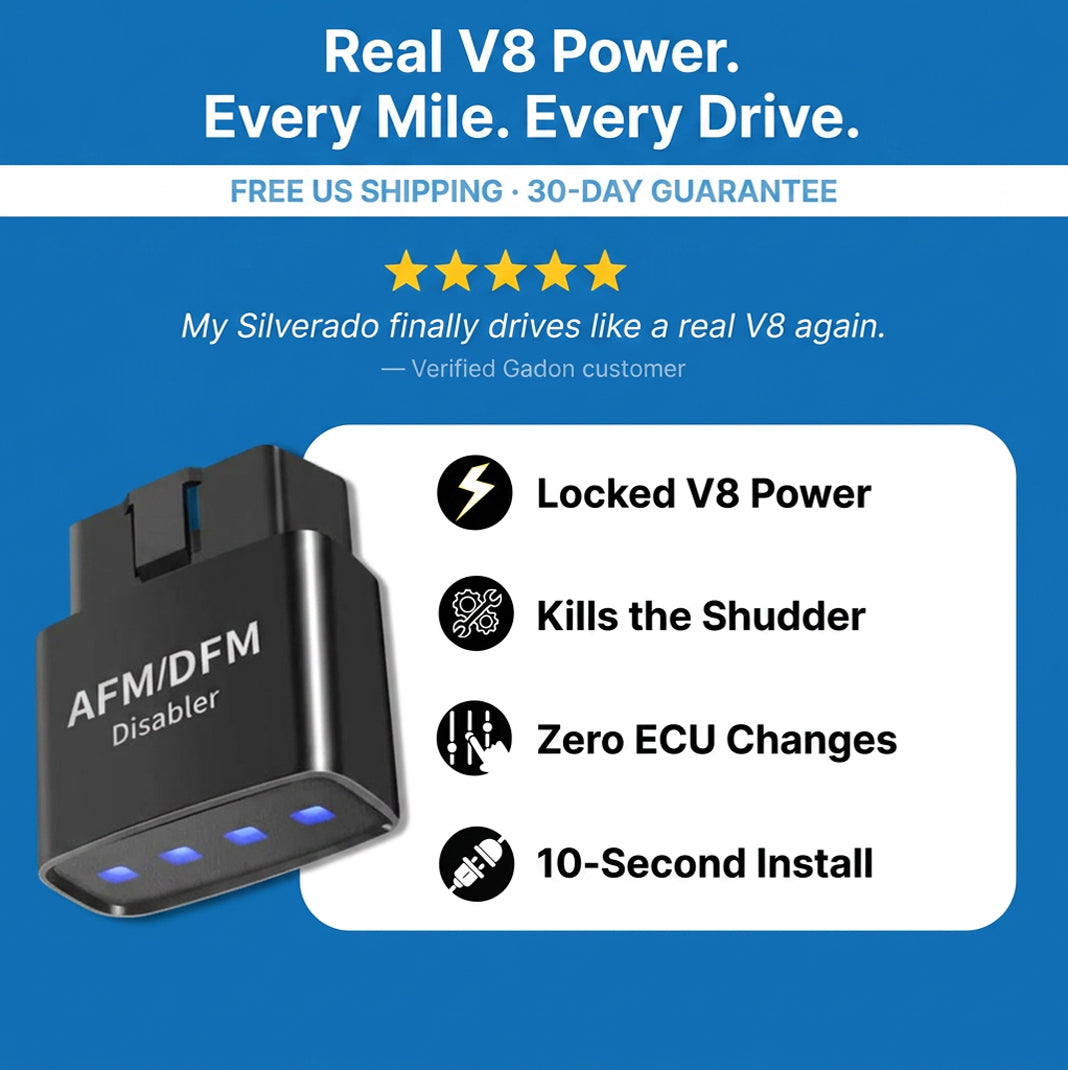
Gadon™ AFM/DFM Disabler
This smart module blocks your GM vehicle's V4 mode, preventing sudden hesitations, oil burning issues, and devastating lifter collapses. Easy to install and remove, it preserves your engine's health while protecting your factory warranty.
Quick FAQs on Gadon AFM/DFM Disablers
Addressing the common queries of vehicle owners is essential for establishing a clear understanding of how our technology works. Many drivers have legitimate concerns about the safety of their electrical systems and the status of their manufacturer warranty. Our technical team has compiled answers to the most frequent questions to help you make an informed decision for your truck. These insights are based on thousands of successful installations and years of technical data gathered from the field.
- • Will it void my GM warranty or trigger a Check Engine Light? No. The Gadon disabler does not reprogram the computer or modify the factory software. By simply removing the module before you visit the dealership, you ensure that no trace is left behind. It operates within the standard diagnostic parameters and does not trigger any error codes or warning lights.
- • Will it fit my specific truck model? This hardware is compatible with a wide range of vehicles from General Motors produced between 2005 and the current model year. This includes popular models like the Silverado, Tahoe, Sierra, and Yukon equipped with 5.3L or 6.2L V8 engines and the 10 speed transmission.
- • Will this actually save my engine from 5,000 dollar plus repairs? Yes. By preventing the mechanical components from entering the collapsed state required for four cylinder mode, you eliminate the primary cause of lifter failure. This uniform operation ensures that all engine components wear at an equal rate, significantly reducing the likelihood of a catastrophic mechanical breakdown.
- • When will I feel the difference while driving? The improvement is often noticeable within the first mile of travel. Drivers report that the vehicle feels more responsive and that the annoying vibration during gear transitions is entirely removed, providing a much smoother experience during both city and highway driving.
- • How hard is the installation process? It is an extremely simple task that takes less than ten seconds. If you can identify the diagnostic port under your dashboard, you can install this module. It requires no mechanical knowledge, no tools, and no wiring modifications.
Need Help Checking Vehicle Compatibility? Gadon.store is Ready 24/7
In just 2 minutes, our expert team can confirm if the Gadon™ AFM/DFM Disabler fits your exact year and model.
Protect Your GM Engine and Regain Full V8 Power with Gadon.store
At gadon.store, we provide a reliable, plug and play solution that unleashes the true potential of your V8 engine while protecting it from the risk of expensive lifter failures. Our commitment to high quality performance modules ensures that you can drive with confidence, knowing that your 10 speed transmission and engine are working in perfect harmony. By choosing our technology, you invest in the long term health of your vehicle and secure a smoother, more powerful driving experience. Call our support hotline now at +1 813-408-1627 or order directly from our website to secure your vehicle today.
Disclaimer: The instructions and prices in this article are for reference at the time of publishing and are subject to change. Please contact gadon.store directly for the most current information. Always ensure your vehicle is parked safely before interacting with the OBD2 port. Contact gadon.store for precise support for the compatibility of your specific GM vehicle.