How to Permanently Fix the Chevy Shake
An AFM/DFM disabler module provides a highly effective solution to resolve the notorious Chevy Shake by keeping your vehicle in its native multi cylinder configuration without any complex tuning. This in-depth guide on Chevy Shake elimination will help you diagnose whether your vehicle suffers from transmission slip or cylinder switching vibration, while demonstrating how the engineering solutions at gadon.store restore smooth acceleration and protect your heavy utility truck against costly engine lifter failures and mechanical wear over long distance driving.
Gadon™ AFM/DFM Disabler
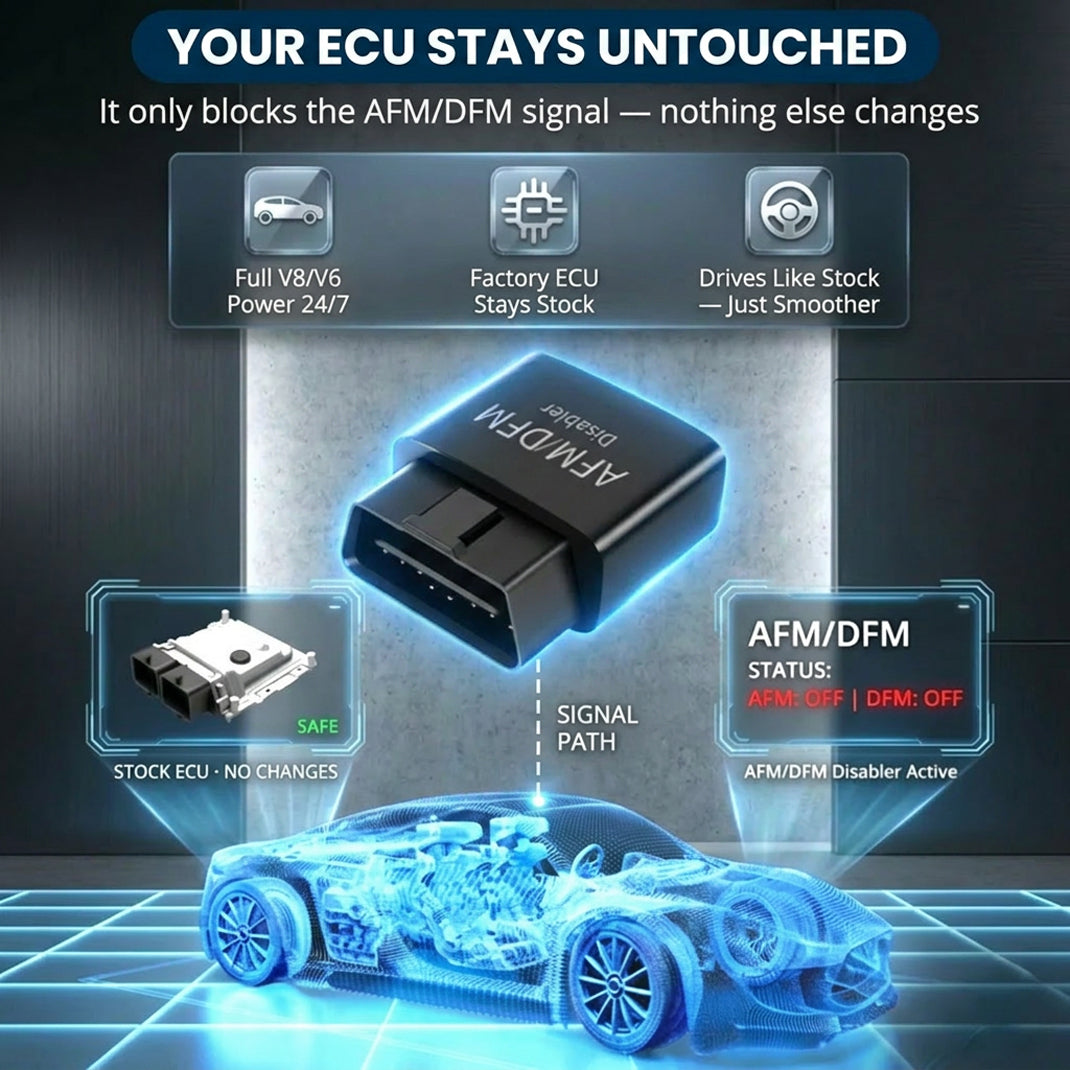
This compact OBD2 plug-in device keeps your GM engine operating in full V8 mode. It prevents rough shifting, torque converter shudder, and saves you from thousands of dollars in lifter repair bills without reprogramming your ECU. Our team at Gadon.store is ready to help you confirm compatibility for your vehicle.
Why Proper Chevy Shake Fix is Crucial? A Direct Impact on V8 Performance and Engine Lifespan
Using a Gadon AFM/DFM disabler correctly ensures your GM engine stays in full V8 mode, delivering smooth, lag-free performance and extending the engine lifespan by preventing costly lifter failures caused by constant cylinder switching.

Addressing the physical vibration issues in large utility trucks is essential to preserve both safety and long term mechanical value. When a vehicle suffers from ongoing frame oscillation or drivetrain shutter, it places extreme stress on the driveshaft, universal joints, and transmission mounts. Ignoring these warning signs often leads to severe mechanical failure on the highway. Drivers who delay resolving the vibration often report that minor cabin hums rapidly transition into severe shudder events that mimic driving over rumble strips. Furthermore, constant switching between full power and reduced cylinder operation creates uneven pressure on the active lifters within the engine block. By implementing an early intervention strategy, you can protect the critical internal components of your powertrain from premature wear, ensuring that every journey remains smooth and free of unexpected acceleration lag.
- Drivetrain Protection: Eliminates high frequency vibration that damages universal joints, transmission mounts, and aluminum driveshafts.
- Lifter Preservation: Prevents cylinder deactivation lifters from collapsing, protecting the internal engine components from severe damage.
- Fuel Economy Optimization: Maintains steady highway speed torque without excessive gear hunting or transmission temperature spikes.
Need Help Checking Vehicle Compatibility? Gadon.store is Ready 24/7
In just 2 minutes, our expert team can confirm if the Gadon™ AFM/DFM Disabler fits your exact year and model.
A Detailed 3-Step Guide to Using Chevy Shake Fix for GM Owners
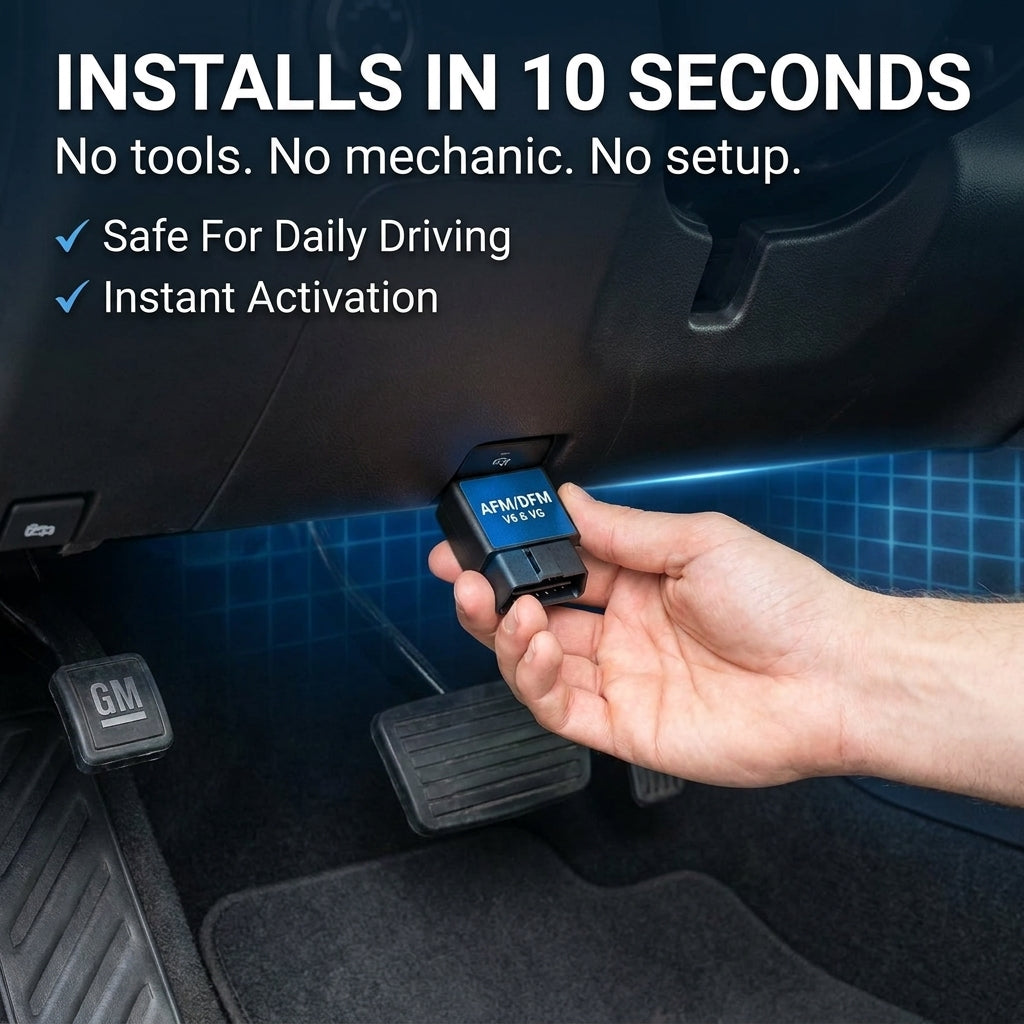
To eliminate the annoying cabin vibration and restore steady highway driving performance, a structured approach is necessary. Drivers can resolve the issues of cylinder switching and transmission lockup instability by utilizing an external electronic device. This plug and play module plugs directly into the diagnostic port under the driver side dashboard of your truck. It works seamlessly with the factory computer system to prevent the engine from entering fuel saving cylinder deactivation mode. By keeping the vehicle in its native V8 mode, you can immediately stop the cycle of torque variations that produce the shuddering sensation. Below is a highly detailed guide developed by the technical experts at Gadon Store to help you install the device and achieve maximum stability within seconds.
Step 1: Unbox and Locate the OBD2 Port
To begin the installation process, park your vehicle on a flat surface and turn off the ignition completely. Unbox your new module carefully and inspect it for any physical damage. Locate the OBD2 diagnostic port, which is standard on all modern passenger trucks and sport utility vehicles. This port is typically positioned directly beneath the steering wheel column on the lower edge of the driver side dashboard panel. You may need to look closely under the dashboard lip or use a flashlight to locate the trapezoidal socket. Ensure that the socket contacts are clean and free of any dust or debris before attempting to insert the device.
Step 2: Plug the Device Securely
With the engine still turned off, align the connector pins of the Gadon disabler module with the matching slots in the vehicle diagnostic port. Push the device firmly into the socket until it is seated completely flat against the connector edge. You do not need any mechanical tools, screwdrivers, or special hardware to complete this task. Once the connection is fully made, you will observe the small indicator lights on the outer casing flash or illuminate. This illumination confirms that the unit is receiving low voltage electrical power directly from the vehicle battery and has established communication with the main engine control unit.
Step 3: Start the Engine and Experience Full V8 Power
Insert your key or press the engine start button to turn on the ignition. As the engine fires up, the module will instantly begin blocking the computer signals that command cylinder shutdown. You can now drive your vehicle under normal road conditions and experience the immediate benefits of constant multi cylinder performance. The throttle response will feel significantly smoother, and you will notice that the engine no longer displays a hesitation when trying to accelerate at highway cruising speeds. The irritating cabin vibration associated with active fuel management deactivation will be resolved, ensuring a quiet and stable driving experience on every trip.
Advanced Tips: Understanding AFM/DFM on GM Vehicles
To properly address the structural issues affecting modern truck engines, it is essential to understand how cylinder deactivation systems function. General Motors developed Active Fuel Management and Dynamic Fuel Management to lower fuel consumption under light load conditions. However, these systems often introduce secondary mechanical issues that negatively impact driver comfort and engine longevity. By disabling these features, truck owners can prevent long term wear on delicate internal components while eliminating the root cause of the infamous shaking issues. The following analysis explores how these systems generate internal stress and why maintaining constant cylinder operation is the most reliable method for preserving your truck performance over hundreds of thousands of miles. Our technical team at Gadon Store has evaluated these components under severe load conditions to ensure our guidance provides real value to every truck owner.
How Cylinder Deactivation Causes Lifter Failure
Active and Dynamic Fuel Management systems utilize specialized spring loaded lifters that collapse when the engine control computer decides to deactivate specific cylinders. This mechanical cycling happens thousands of times during a single daily drive. Over time, the repeated locking and unlocking of these complex lifters leads to severe internal wear, which eventually causes a lifter to collapse permanently or become stuck in the bore. When a lifter fails, it can bend the pushrods, damage the camshaft lobes, and result in catastrophic engine damage. The typical cost of rebuilding an engine after a lifter failure easily exceeds five thousand dollars in parts and professional labor. Preventing this cycling is the most cost effective way to ensure long term reliability.
Eliminating Transmission Shudder at Cruising Speeds
Many drivers of modern utility trucks report a distinct vibration that occurs when cruising at speeds between thirty five and sixty miles per hour. This sensation is often caused by the torque converter clutch slipping as the engine repeatedly transitions between fuel saving mode and full power mode. This constant shifting creates uneven torque delivery, forcing the transmission to hunt for the correct gear and causing clutch chatter inside the torque converter. By keeping all cylinders active at all times, the torque output remains consistently balanced, which eliminates the slip stick action of the converter clutch. This simple adjustment stops the physical shuddering, lowers transmission operating temperatures, and extends the lifespan of your automatic gearbox.

Troubleshooting Common Issues with Chevy Shake Fix
When using an electronic device to stabilize your engine performance, you might occasionally encounter minor technical questions or operational anomalies. Most of these situations are easily resolved without requiring a visit to a professional mechanic or automotive repair shop. Understanding how your vehicle diagnostic port distributes electrical power and how the module interacts with your truck electrical system will help you maintain optimal performance. Our technical support team at Gadon Store is always prepared to guide you through any diagnostic steps or compatibility inquiries. Below, we have compiled several common troubleshooting scenarios and practical solutions to ensure your driving experience remains smooth, safe, and completely free of unexpected interruptions. Always make sure to inspect your vehicle fuses and keep the diagnostic port clean to guarantee a secure physical and electrical connection at all times.
- Why are the lights on the device not turning on? -> Solution: Check the vehicle diagnostic port fuse, which is often shared with the cigarette lighter circuit. If this fuse is blown, the port will not provide power to the module.
- Will the module drain the truck battery? -> Solution: The device draws a very minimal amount of electrical current when the vehicle is turned off. However, if you plan to leave your truck parked for several weeks, we recommend unplugging it to be safe.
- Do I need to unplug it before taking it to the dealership? -> Solution: Yes, simply pull the module out of the port before your scheduled maintenance. Since the device leaves zero digital trace and does not reprogram the factory computer, your vehicle warranty remains safe.
Gadon™ AFM/DFM Disabler
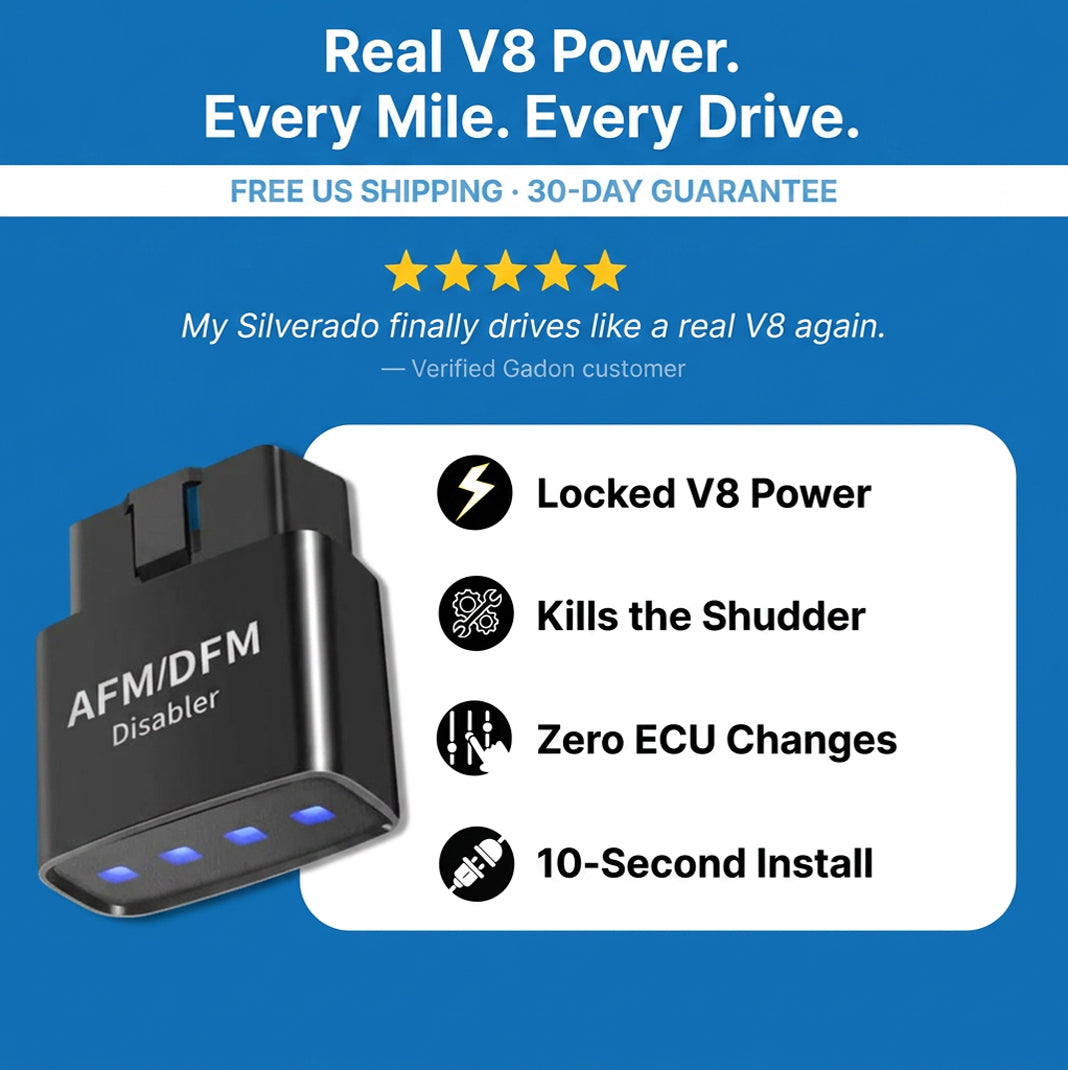
This smart module blocks your GM vehicle V4 mode, preventing sudden hesitations, oil burning issues, and devastating lifter collapses. Easy to install and remove, it preserves your engine health while protecting your factory warranty.
Which Gadon™ AFM/DFM Disabler Package is Right for You? Expert Advice
Selecting the appropriate package depends on your household vehicle fleet or business requirements. At Gadon Store, we offer tailored configurations to help individual truck owners, families with multiple utility vehicles, and professional commercial fleets protect their engines. Our devices provide an immediate return on investment by preventing costly mechanical repairs. We also provide comprehensive support, including free shipping on all orders and a ninety day satisfaction guarantee. To assist you in making an informed decision, our experts have outlined the primary packages below along with a detailed comparison table. Review these options to select the package that fits your driving needs, and enjoy full cylinder power on every journey. Additionally, our customer support team is available via chat or phone to verify compatibility for your specific vehicle configuration before you make a purchase.
Every purchase from Gadon.store includes our 90-Day Guarantee and Free Shipping. Use code WELCOME to get an extra 10% OFF today!
| Product Package | Target User | Key Benefits | Reference Price |
|---|---|---|---|
| 1 Pack | Single Truck Owners | Keeps engine in full cylinder mode with plug and play convenience | 99.99 USD with WELCOME code |
| 2 Packs Dual Vehicle Package | Families with two vehicles | Protects two GM trucks from lifter failures with a 15 percent discount | 15 percent savings |
| 3 Packs Fleet Package | Commercial fleets and shops | Excellent value for protecting multiple utility vehicles against downtime | 25 percent savings |
| Return Policy | All purchasers | Provides peace of mind with a no hassle refund option | 90 days full guarantee |
| Worldwide Shipping | All purchasers | Includes fully tracked courier delivery directly to your door | Free shipping |
| Compatibility Verification | All potential buyers | Quick response to confirm fitment for your truck | Free via WhatsApp support |
| Technical Consultations | All active customers | Access to professional advice from GM mechanical experts | Free lifetime support |
| Post Purchase Support | Active customers | Assistance with device setup or troubleshooting questions | Free lifetime help |
An important technical note when reviewing this price table: ensure your vehicle falls within our supported model configurations and utilizes Active or Dynamic Fuel Management systems. The device is designed exclusively to override these systems.
Quick FAQs on Gadon AFM/DFM Disablers
Before making any modifications to your truck electrical or engine management systems, it is entirely natural to have questions regarding compatibility, safety, and long term performance. Many vehicle owners want to ensure that plugging an external module into their diagnostic port will not interfere with factory computer code, trigger warning lamps on the dashboard, or compromise the manufacturer warranty. At Gadon Store, our goal is to provide absolute transparency and expert technical advice so you can make your purchase with complete confidence. Below, we have gathered and answered five of the most frequent technical inquiries from our customer community. These detailed explanations cover how the device protects your hardware and why keeping your engine in full cylinder mode is a highly reliable method for preventing expensive failures.
Will it void my GM warranty or trigger a Check Engine Light?
No. The Gadon disabler does not reprogram your engine control unit or flash the onboard computer system. It simply intercepts the cylinder deactivation signals while it remains physically plugged into the diagnostic port. If you need to visit a dealership for routine maintenance or warranty repairs, simply unplug the device from the port before you arrive. Once disconnected, it leaves zero digital trace in the system memory, keeping your factory warranty safe. It will not trigger a check engine light or cause any error codes during normal operation.
Will it fit my specific truck model?
Our module is designed to work with a wide range of modern General Motors vehicles equipped with active or dynamic cylinder deactivation systems. This includes many models of the popular Silverado, Sierra, Tahoe, Yukon, Escalade, and Suburban trucks. It is compatible with both V6 and V8 engine configurations. To ensure that the device is suitable for your specific year and model, we encourage you to utilize our free compatibility check service. Our support team can quickly verify fitment and answer any technical questions you have before shipping.
Will this actually save my engine from five thousand dollar repairs?
Yes. Cylinder deactivation is widely recognized as a primary contributor to early lifter failure in modern utility truck engines. The constant transitions between full power and deactivated states cause uneven hydraulic pressure and accelerated wear on the locking mechanism within the lifters. When a lifter fails, it often damages other internal components like the camshaft and pushrods, requiring a complete engine rebuild. By keeping all cylinders firing uniformly, our module prevents this destructive cycling, eliminating the mechanical root cause of lifter collapse and saving you thousands of dollars.
When will I feel the difference while driving?
Most drivers report a significant improvement in ride quality within the first mile of driving with the module installed. You will immediately notice the complete elimination of the low speed chugging and vibration that occurs when the engine drops into fuel saving mode. The transition hesitation when pressing the accelerator pedal is gone, replaced by consistent and smooth throttle response. The vehicle maintains its speed much more efficiently on highway inclines without constantly hunting for lower gears, providing an overall smoother and more comfortable ride.
How hard is the installation process?
The installation process is incredibly simple and requires absolutely no tools, technical expertise, or mechanical experience. If you are capable of plugging a power cord into an electrical outlet, you can easily install this device. The entire process takes less than ten seconds to complete. Simply locate the diagnostic port beneath your steering column, push the module firmly into place, and start your engine. The indicator lights will confirm a successful connection immediately, allowing you to enjoy stable and reliable full cylinder performance without delay.
Need Help Checking Vehicle Compatibility? Gadon.store is Ready 24/7
In just 2 minutes, our expert team can confirm if the Gadon™ AFM/DFM Disabler fits your exact year and model.
Protect Your GM Engine and Regain Full V8 Power with Gadon.store
At Gadon Store, we provide a reliable, plug and play solution that unleashes your engine true V8 potential while protecting it from expensive lifter failures. We are committed to high quality performance modules, zero engine control unit tracing, and excellent customer support. Upgrade your ride today to secure your vehicle long term health and drive with confidence. Call our support hotline now at +1 813-408-1627 or order directly from our website to secure your vehicle today!
Disclaimer: The instructions in this article are based on practical experience with GADON STORE products. Always ensure your vehicle is parked safely before interacting with the OBD2 port. Please contact contact@gadon.store for detailed support regarding your specific GM model compatibility. Note: The guidance and prices in this article are for reference at the time of publishing and are subject to change. Please contact Gadon.store directly for the most current information.
```