Chevy 6.2 Engine Replacement: Costs and Expectations
Chevy 6.2 engine replacement costs often range from seven thousand to twelve thousand dollars depending on labor rates and the specific engine block selected for your vehicle. This in-depth guide on the replacement process will help you understand whether a crate engine or a professional rebuild is necessary while exploring how to prevent future failures through advanced technology from gadon.store to maximize your vehicle longevity.
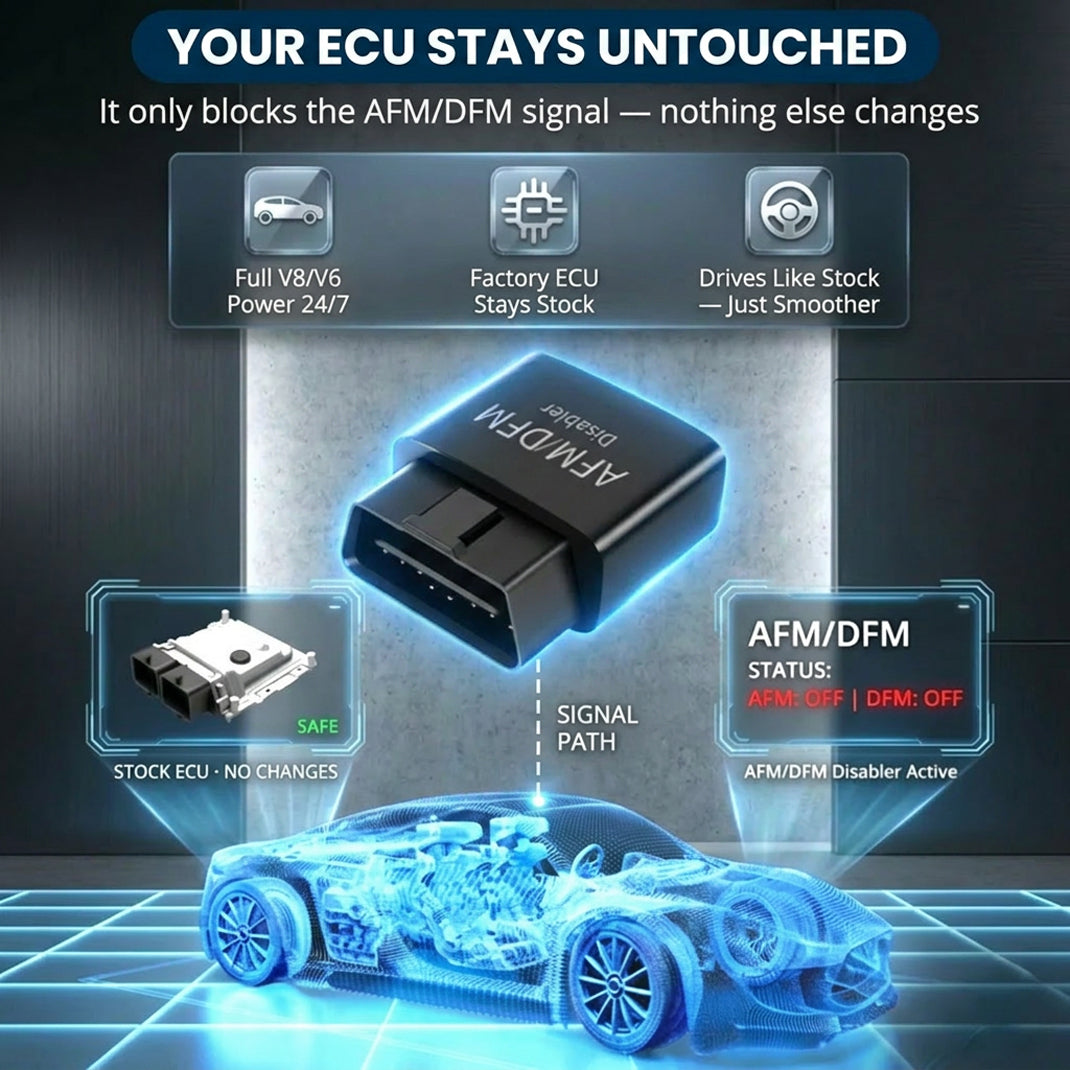
Gadon™ AFM/DFM Disabler
This compact OBD2 plug-in device keeps your GM engine operating in full V8 mode. It prevents rough shifting, torque converter shudder, and saves you from $5,000 plus lifter repair bills without reprogramming your ECU. Our team at Gadon.store is ready to help you confirm compatibility for your vehicle.
Why Proper Chevy 6.2 Engine Replacement is Crucial? A Direct Impact on V8 Performance and Engine Lifespan
Using a Gadon AFM/DFM disabler correctly ensures your GM engine stays in full V8 mode, delivering smooth, lag-free performance and extending the engine lifespan by preventing costly $5,000 plus lifter failures caused by constant cylinder switching.

A Chevy 6.2 engine replacement is not merely a mechanical task but a significant financial investment in the future of your vehicle. When a 6.2L L86 or L87 engine fails, it is often due to internal mechanical stress related to the cylinder deactivation systems. Choosing the correct replacement path determines whether your Silverado or Sierra will last another one hundred thousand miles or face the same issues within months. Proper replacement ensures that all peripheral components, including the oil pump and cooling system, are matched to the new block to maintain thermal efficiency and lubrication integrity. Failure to address the root causes of the original engine demise often leads to a cycle of expensive repairs. Owners must prioritize a complete diagnostic of the transmission and fuel delivery system during the swap to ensure the new V8 power is transmitted effectively without mechanical interference.
- Engine longevity depends on high quality parts and expert installation to avoid catastrophic oil pressure loss.
- Total replacement costs can exceed ten thousand dollars when factoring in labor and necessary hardware updates.
- Modern GM V8 engines require precise ECU synchronization to prevent diagnostic trouble codes after a swap.
- Ignoring the cylinder deactivation system after a replacement often results in premature lifter failure on the new unit.
Need Help Checking Vehicle Compatibility? Gadon.store is Ready 24/7
In just 2 minutes, our expert team can confirm if the Gadon™ AFM/DFM Disabler fits your exact year and model.
A Detailed 3-Step Guide to Using Performance Protection for GM Owners
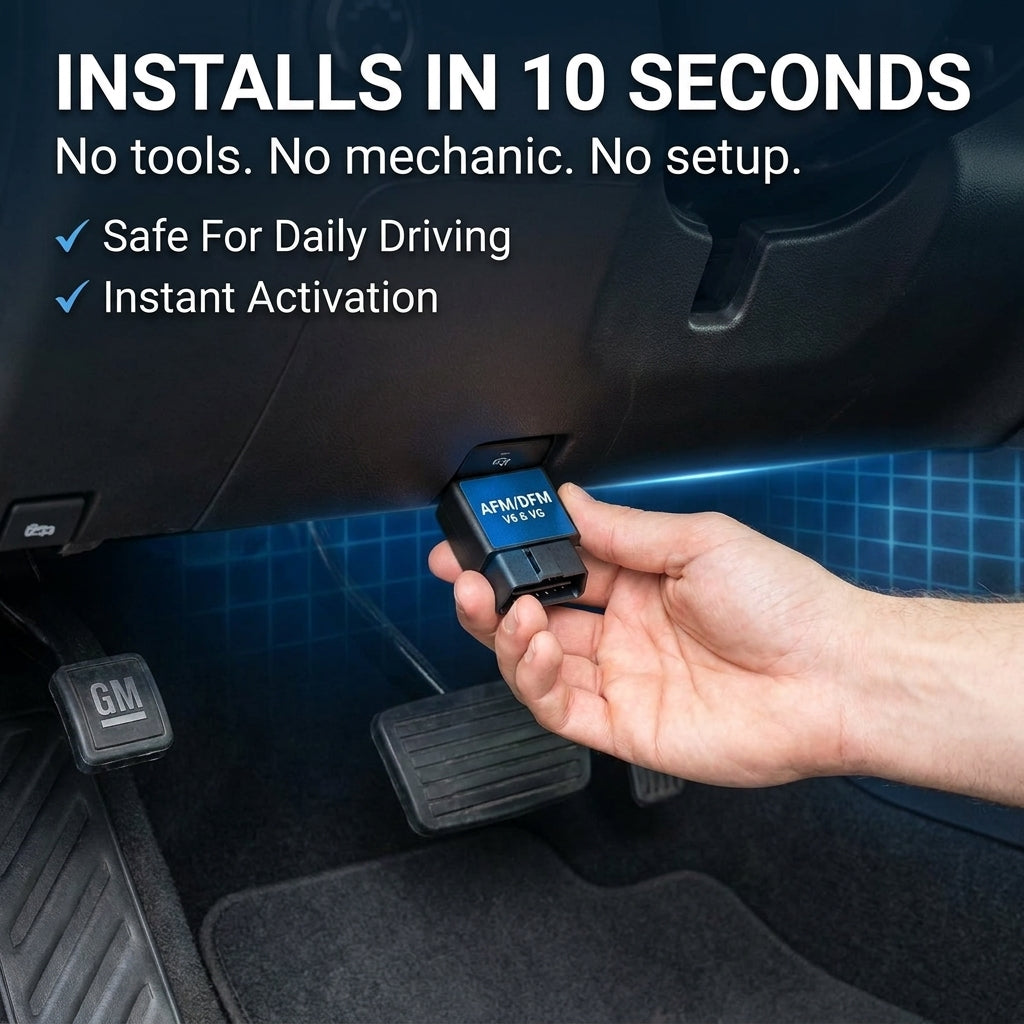
To properly protect your engine, insert the module directly into the OBD2 port located under the steering wheel while the vehicle is turned off and ensure the indicator LEDs light up when you start the ignition for full V8 mode activation.
Implementing a protection strategy is vital for anyone who has just completed a Chevy 6.2 engine replacement or owns a high mileage GM SUV. The transition between four cylinder and eight cylinder modes is the primary culprit behind mechanical fatigue in the valvetrain. By utilizing a plug and play solution, you effectively stabilize the mechanical rhythm of the engine, ensuring that all lifters receive consistent oil pressure and thermal distribution. This process takes less than one minute but adds years to the functional life of the engine. Whether you are driving a Cadillac Escalade or a GMC Sierra, the steps remain consistent across the GM platform to ensure you do not face another expensive replacement bill in the near future. Professional mechanics recommend this as a standard preventative measure for all EcoTec3 engines.
Step 1: Unbox and Locate the OBD2 Port
First, locate the OBD2 diagnostic port inside your GM truck or SUV, usually found under the driver side dashboard near the hood release lever. Ensure your vehicle engine is completely turned off before proceeding to avoid any electrical surges. The port is a standardized trapezoidal connector that serves as the gateway to your vehicle ECU communications. It is essential that the port is clean and free of debris to ensure a solid electrical connection. Most owners find the port easily by looking directly above the brake pedal area. Taking a moment to verify the port integrity prevents connectivity issues later.
Step 2: Plug the Device Securely
Take your Gadon™ AFM/DFM Disabler and push it firmly into the port until it is seated. There are no tools required for this process. You will notice the indicator lights flash on the module, confirming it has successfully connected to the ECU and is receiving power. The device is designed to fit snugly to prevent it from vibrating loose during off road driving or heavy towing. Once the lights stabilize, the module is actively communicating with the engine control logic to maintain full cylinder engagement. This physical installation is the only step needed to override the factory fuel management software without permanent changes.
Step 3: Start the Engine and Experience Full V8 Power
Start your engine and observe the immediate change in idling smoothness. The device instantly blocks the cylinder deactivation signals without rewriting the factory software or leaving a digital footprint. You can now drive normally, experiencing immediate smoother throttle response, no lag, and consistent V8 power on every drive. This step confirms that the mechanical shudder often associated with the 6.2L engine is eliminated. Drivers will notice that the vehicle no longer hesitates when merging onto highways or during low speed cruising. Regular monitoring of the indicator lights ensures the module remains active and providing protection.
Advanced Tips: Understanding AFM/DFM on GM Vehicles
Advanced engine diagnostics reveal that maintaining 100 percent cylinder activation reduces lateral stress on the crankshaft and prevents carbon buildup on inactive intake valves, which is a common cause of internal 6.2L engine damage.

General Motors introduced Active Fuel Management and later Dynamic Fuel Management to meet federal fuel economy standards. However, the mechanical cost of these systems is high for the individual truck owner. The 6.2L engine utilizes high pressure oiling systems to collapse specific lifters, effectively turning the engine into a four cylinder during low load situations. This process creates an imbalance in heat and lubrication. Over time, the constant mechanical movement of the locking pins inside the lifters leads to failure. When a lifter fails, it often destroys the camshaft, necessitating a total engine tear down. Understanding these mechanics is vital for anyone planning a Chevy 6.2 engine replacement because installing a new engine without addressing the management system simply restarts the countdown to the next failure. Expert drivers prefer to maintain full power to ensure the longevity of their hardware.
How Cylinder Deactivation Causes Lifter Failure
The constant switching between V4 and V8 modes creates uneven wear on the active lifters and can lead to oil aeration. Over time, this leads to premature lifter failure, bent pushrods, and costly engine rebuilds that can exceed five thousand dollars. The mechanical stress is most prevalent during the transition phase where the ECU must perfectly timing the oil pressure spike to engage or disengage the lifter pins. If the timing is off by milliseconds due to oil viscosity changes or debris, the pin can partially engage, leading to a catastrophic collapse. This is why many 6.2L owners hear a ticking sound before the engine eventually fails completely. Maintaining V8 mode keeps the oil pressure consistent across the entire valvetrain.
Eliminating Transmission Shudder at Cruising Speeds
Many drivers experience a noticeable shudder or vibration at thirty five to sixty miles per hour during the V4 transition. By keeping the engine in full cylinder mode, the Gadon module balances the torque, eliminating the awkward gear searching behavior entirely. This shudder is often mistaken for a failing torque converter, but it is actually the result of the engine struggling to maintain speed with only half of its cylinders active. The vibration puts unnecessary strain on the transmission input shaft and universal joints. By preventing the drop to V4 mode, the drivetrain stays under a constant load, which facilitates smoother shifting and reduces the wear on the internal clutches of the ten speed automatic transmission.
Troubleshooting Common Issues with Engine Performance Modules
If the module does not power on, verify that the cigarette lighter fuse is intact as it typically shares a circuit with the OBD2 port, and ensure the device is pushed completely into the connector for a secure data link.
While performance modules are designed for simplicity, occasionally users may encounter minor technical hurdles. Most issues are related to the vehicle electrical system rather than the module itself. For instance, a blown fuse in the auxiliary power circuit can prevent the OBD2 port from providing the necessary voltage to the device. Additionally, it is important to remember that the device should be removed before any emissions testing or dealership service to ensure the technicians can access the ECU without interference. Since the Gadon module does not alter the permanent memory of the computer, removing it restores the vehicle to its factory state instantly. This section addresses the most frequent questions from our community to ensure your experience remains seamless and your engine remains protected during every mile of your journey.
- Why are the lights on the device not turning on? → Solution: Check your vehicle OBD2 fuse which is often shared with the cigarette lighter. If the fuse is blown, the port will not provide power to the Gadon module. Replace the fuse with the correct amperage to restore functionality.
- Will the module drain my truck battery? → Solution: The device draws a very minimal amount of power on standby. However, if you plan to leave your truck parked and undriven for several weeks, we recommend unplugging it to be safe. For daily drivers, there is no risk of battery depletion.
- Do I need to unplug it before taking it to the dealership? → Solution: Yes, simply unplug the Gadon disabler before your service visit. Since it leaves zero trace and does not flash the ECU, your factory warranty remains one hundred percent intact. The vehicle will revert to factory AFM settings as soon as the device is removed.
- Will this trigger a Check Engine Light? → Solution: No, the module is designed to communicate within the factory parameters of the GM operating system. It does not trigger error codes or diagnostic lights because it simply tells the computer that the conditions for cylinder deactivation have not been met.
Which Gadon™ AFM/DFM Disabler Package is Right for You? Expert Advice
Selecting the right package involves assessing your fleet size and vehicle usage, with multi pack options providing the best value for families or commercial operations looking to protect multiple GM V8 engines simultaneously.
Investing in engine protection is a strategic decision that pays for itself by avoiding a single repair bill. At Gadon.store, we have structured our offerings to meet the needs of diverse owners. Whether you are a solo driver with a cherished Silverado or a business owner managing a fleet of work trucks, there is a solution that fits your budget. Every purchase is backed by our commitment to quality and customer satisfaction. Every purchase from Gadon.store includes our 90-Day Guarantee and Free Shipping. Use code WELCOME to get an extra 10 percent OFF today! Our team provides lifetime support to ensure your module performs perfectly across the life of your vehicle. Compare our packages below to find the most efficient way to secure your engine health and maintain peak performance.
| Product Package | Target User | Included Items | Reference Price |
|---|---|---|---|
| 1 Pack | Single Vehicle Owners | 1x Gadon™ AFM/DFM Disabler | $99.99 (w/ WELCOME code) |
| 2 Packs (Most Popular) | Families / Dual GM Trucks | 2x Gadon™ AFM/DFM Disablers | 15% OFF Overall |
| 3 Packs (Best Value) | Work Fleets and Shops | 3x Gadon™ AFM/DFM Disablers | 25% OFF Overall |
| Return Policy | All Orders | Full Refund Guarantee | 90 Days Guarantee |
| Worldwide Shipping | All Orders | Tracked Delivery | Free Shipping |
| Compatibility Check | All Customers | Fast Verification | Free via WhatsApp |
| Technical Consultation | All Customers | Expert Phone Support | Free at +1 813-408-1627 |
| Support Duration | Post Purchase | Email and Phone Access | Lifetime Access |
Quick FAQs on Gadon AFM/DFM Disablers
Most Chevrolet 6.2 engine owners find that the module fits all models from 2005 onwards and does not void their warranty as it is a non permanent modification that leaves zero digital trace upon removal.
- Will it void my GM warranty or trigger a Check Engine Light? → No. The Gadon disabler does NOT reprogram your ECU or flash the computer. Simply unplug it before taking it to the dealership, and it leaves zero trace. Your factory warranty stays one hundred percent intact and it will not trigger a check engine light.
- Will it fit my specific truck model? → Yes, it is compatible with over ninety GM models manufactured between 2005 and the current year, including the Silverado, Tahoe, Sierra, Yukon, Escalade, and Suburban. It works flawlessly with both V6 and V8 engines equipped with AFM or DFM systems.
- Will this actually save my engine from $5,000 plus repairs? → Absolutely. AFM/DFM cylinder deactivation is the leading cause of premature lifter failure in GM engines. By keeping the engine firing on all cylinders uniformly, the Gadon device prevents the uneven wear that leads to three thousand to eight thousand dollar engine rebuilds.
- When will I feel the difference while driving? → Within the first mile. Most drivers report an immediate elimination of shudder at cruising speeds, smoother throttle response, stronger acceleration from a dead stop, and an overall better driving experience.
- How hard is the installation process? → It takes less than ten seconds. You need absolutely no tools and no mechanical experience. If you can plug a charger into your phone, you can plug the Gadon module into your truck OBD2 port.
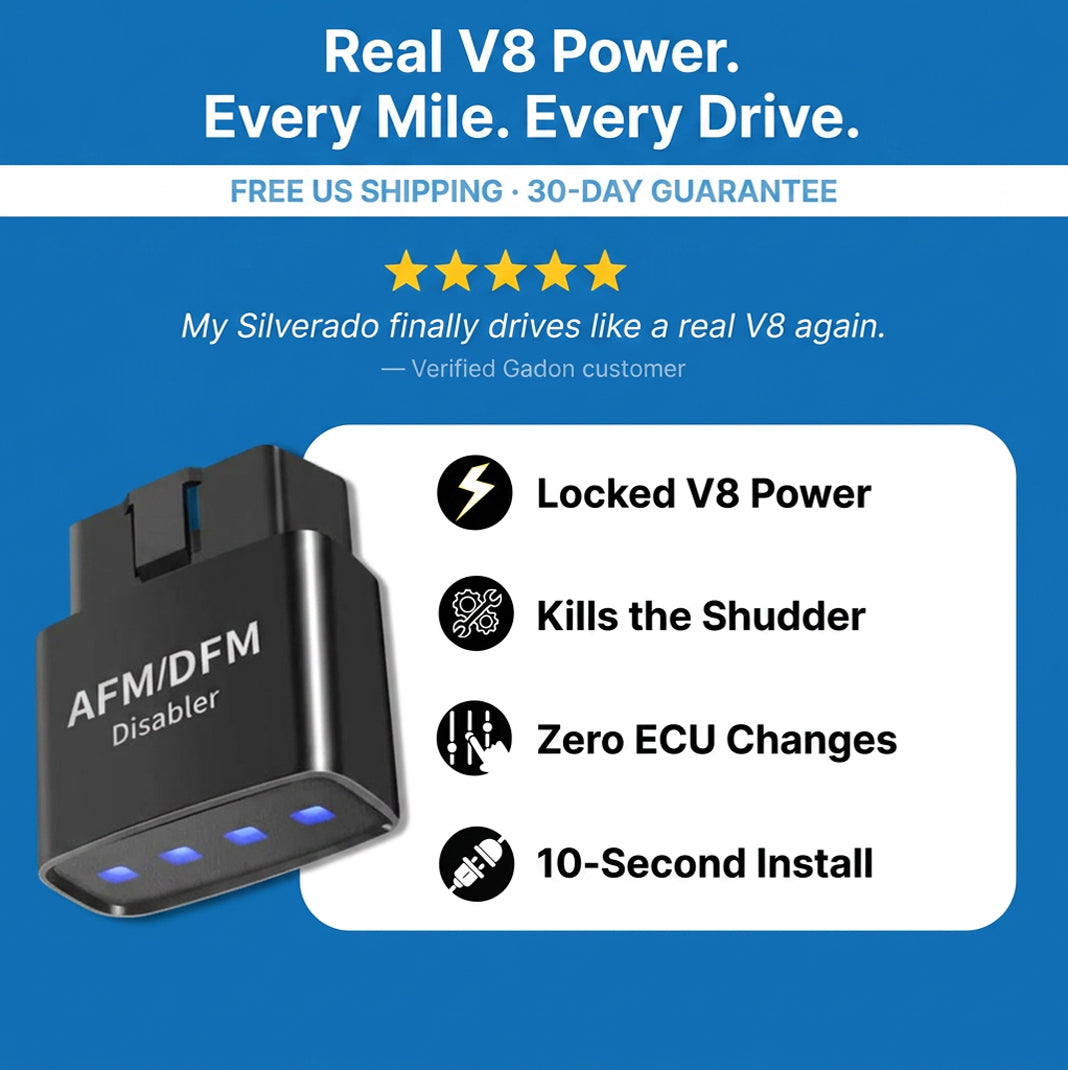
Gadon™ AFM/DFM Disabler
This smart module blocks your GM vehicle V4 mode, preventing sudden hesitations, oil burning issues, and devastating lifter collapses. Easy to install and remove, it preserves your engine health while protecting your factory warranty.
Protect Your GM Engine and Regain Full V8 Power with Gadon.store
At Gadon.store, we provide a reliable, plug and play solution that unleashes your engine true V8 potential while protecting it from expensive lifter failures. We are committed to high quality performance modules, zero ECU tracing, and excellent customer support. Upgrade your ride and drive with confidence today. Call our support hotline now at +1 813-408-1627 or order directly from our website to secure your vehicle today!
Disclaimer: The instructions and prices in this article are for reference at the time of publishing and are subject to change. Please contact Gadon.store directly for the most current information. Always ensure your vehicle is parked safely before interacting with the OBD2 port. Contact Gadon.store for precise support for your GM vehicle compatibility.